Tipper Truck
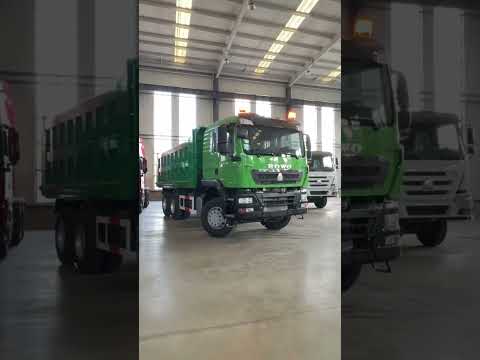
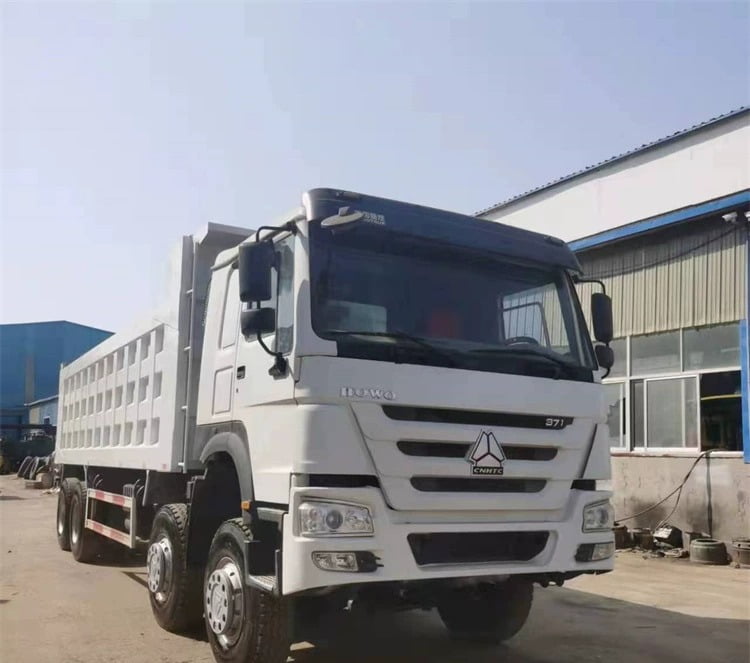
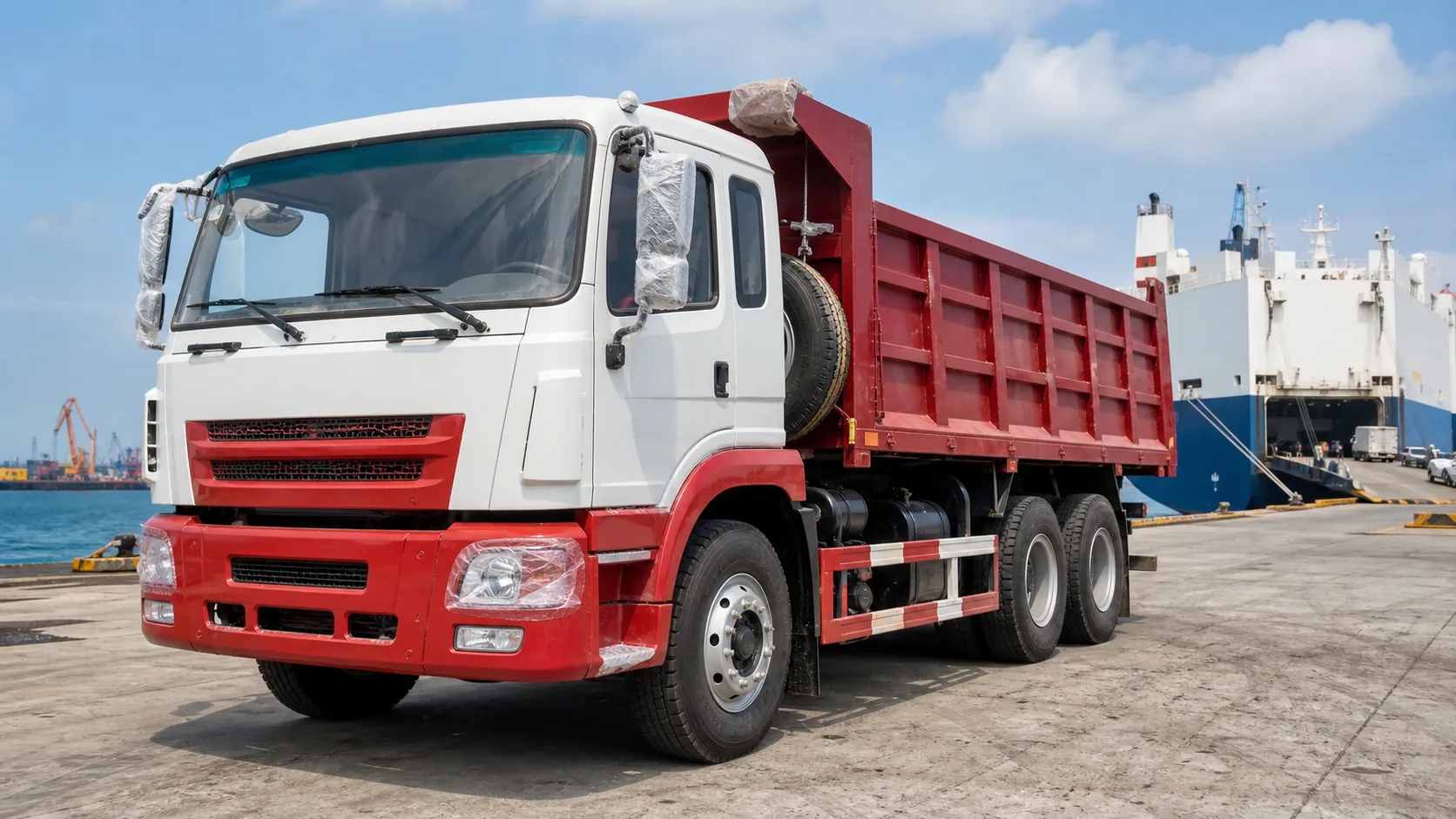
Used HOWO 371 HP 10-Wheel Mining Dump Truck
Used HOWO 10-wheel mining dump truck prepared for Africa-market earthmoving, quarry, construction, and bulk-material transport projects.
View Details
Browse the Range
Used tipper trucks for Africa construction, quarry, mining, coal, sand, stone, and gravel work, with export inspection and shipping support.
3 products in Tipper Truck
Tipper Truck
Used HOWO 10-wheel mining dump truck prepared for Africa-market earthmoving, quarry, construction, and bulk-material transport projects.
View Details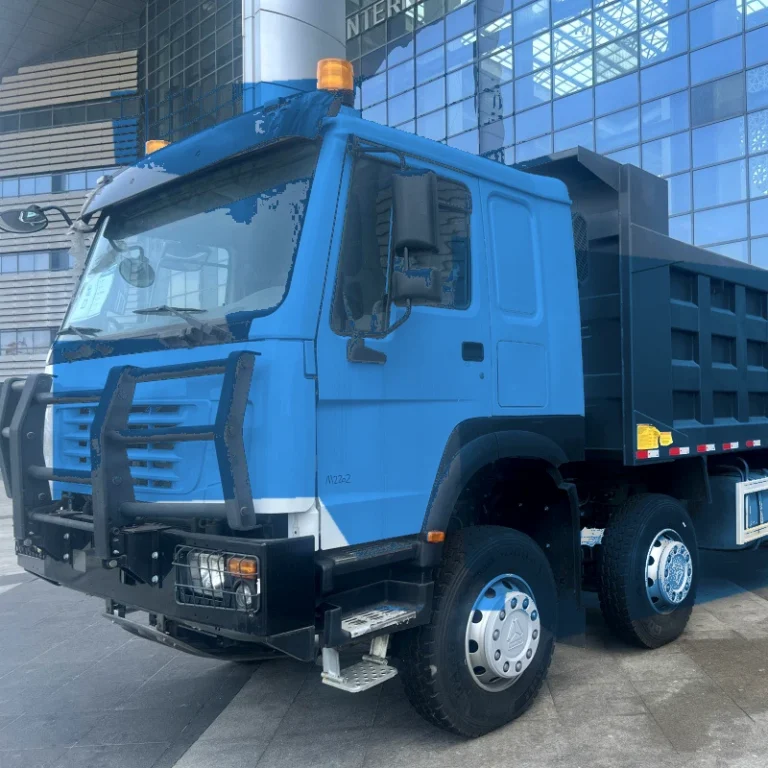
Tipper Truck
Used HOWO 6x4 dump truck prepared for export buyers who need a practical diesel tipper truck for construction...
View Details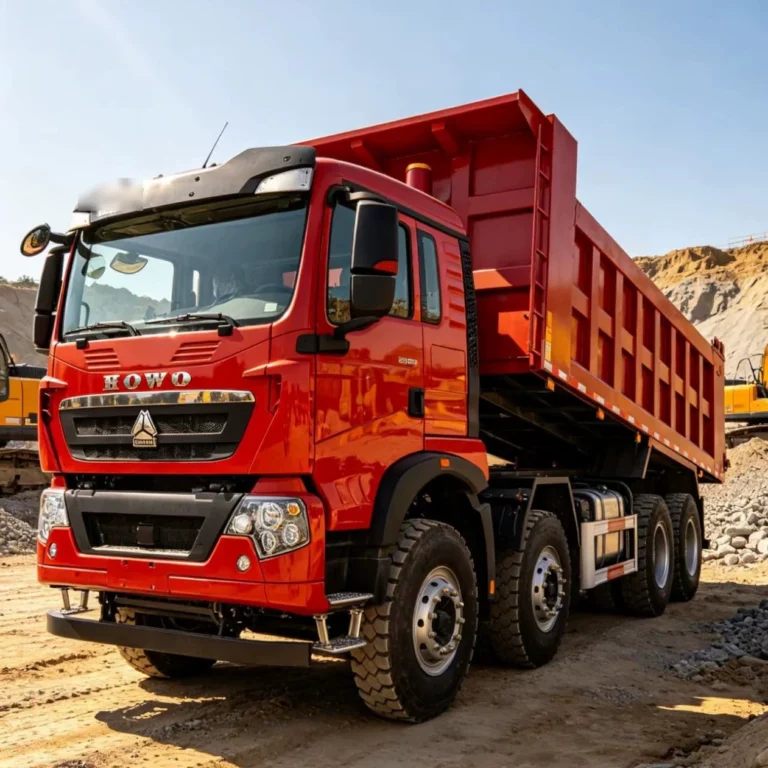
Tipper Truck
A used heavy-duty dump truck option for construction material transport, sand and gravel haulage, mining support, and export...
View DetailsTipper Truck buying guide
Used tipper trucks for Africa construction, quarry, mining, coal, sand, stone, and gravel work, with export inspection and shipping support.
Use this guide to choose a used tipper truck step by step. Each section answers one buying question.
Used tipper trucks are made for loose bulk material. They can carry sand, gravel, stone, coal, soil, road material, mining material, and demolition waste.
Most trucks in this category are used trucks. So the buyer should not look only at paint or photos. The buyer should check the real job, truck condition, truck year, dump body, tyres, engine, gearbox, shipping cost, customs duty, and local road condition.
Video note: This video is placed here because it shows a real selection point. A buyer should look at the body, tyres, cargo type, road, lift system, and truck condition together.
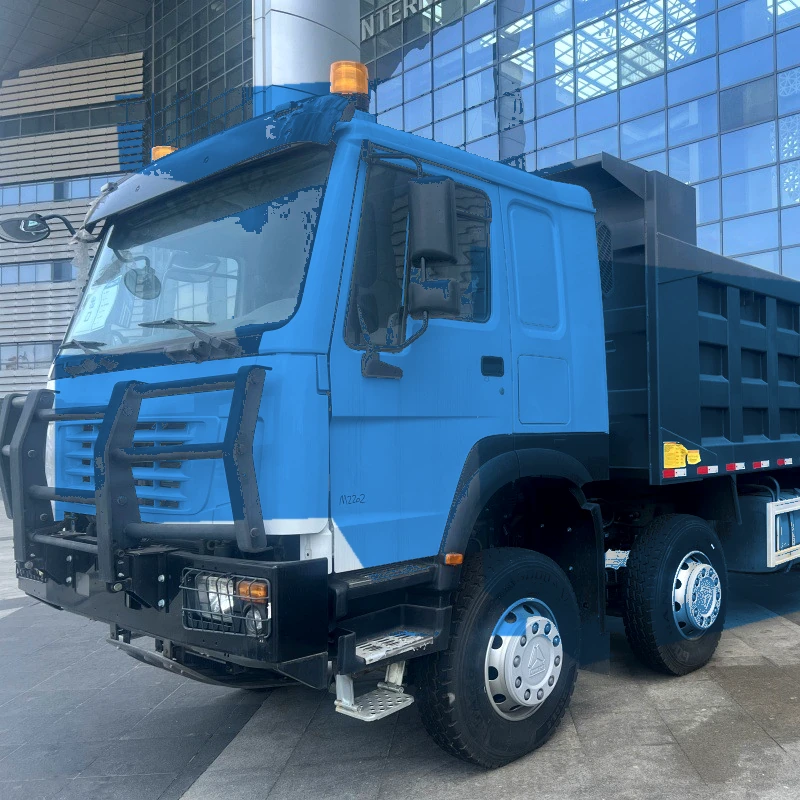
The right used tipper truck must fit the buyer’s business. A bigger truck is not always better. A smaller truck is not always cheaper in the long run. The best truck is the one that can do the daily job with safe cost.
If the truck is too large, the buyer may pay more for the truck, fuel, tyres, repairs, sea freight, and customs duty. If the truck is too small, it may need more trips. It may also be overloaded and wear out faster.
Start with the real work. What will the truck carry? How far will it drive? What road will it use? How often will it tip the body? These answers are more useful than one photo or one horsepower number. Buyers who plan a full import can also read importing semi-trailers from China to Nigeria for basic import and document thinking.
| Buyer Question | Simple Check | Risk If You Ignore It |
|---|---|---|
| What cargo will you carry? | Coal, sand, gravel, stone, soil, ore, or waste. | The body may be too weak, too heavy, or the wrong size. |
| How far is one trip? | Job site, city road, road project, or long route. | Fuel, tyre heat, brake wear, and repair cost may rise. |
| What road will it use? | Paved road, quarry road, mud road, mountain road, or mining road. | Tyres, brakes, cooling, and suspension may not match the work. |
| How will it be loaded? | Loader, excavator, conveyor, or manual loading. | Hard loading can damage a weak floor, side wall, or tailgate. |
| How often will it unload? | Daily trips, tipping place, ground level, and lift angle. | A weak hydraulic system can stop the truck from working. |
Africa does not have only one road condition. Some trucks work on long paved roads. Some work in mud. Some work in quarry roads. Some work in mining areas, mountain routes, or coastal places with salt air.
Road condition affects the engine, gearbox, tyres, brakes, frame, body, and fuel cost. So a used tipper truck should be chosen by the real country, weather, cargo, and route. For mining work, Zimbabwe trailer import for mining transport gives a useful example of route and payload planning.
| Work Scene | What the Truck Needs | What to Check on a Used Truck |
|---|---|---|
| City construction site | Good steering, brake response, clutch, and lift system. | Brakes, clutch, steering, cab control, lift test, and tailgate. |
| Road project | Stable engine, good tyres, strong suspension, and daily uptime. | Engine temperature, gearbox, tyres, leaf springs, and hoses. |
| Quarry or stone road | Strong body, strong frame, heavy-duty tyres, and good axle condition. | Main beam, cross members, floor, side wall, tyre cuts, and axle noise. |
| Mining road | More torque, better cooling, strong brakes, and easy maintenance. | Engine smoke, radiator, gearbox, rear axle, brake air, and frame cracks. |
| Coal transport | Enough body volume, good sealing, good tailgate, and fuel control. | Body shape, tailgate leakage, tyres, engine stability, and route match. |
| Mud road or rainy season | Better grip, good tread, ground clearance, and rust protection. | Tyre tread, differential, leaf springs, brake lines, chassis rust, and wiring. |
| Mountain or highland route | Pulling power, engine cooling, brake control, and good gearbox. | Coolant system, turbo, clutch, gearbox, brake wear, and tyre load rating. |
| Long-distance transport | Stable engine, fuel economy, tyre heat control, and driver comfort. | Engine temperature, tyre pressure, gearbox, cab, lights, and even tyre wear. |
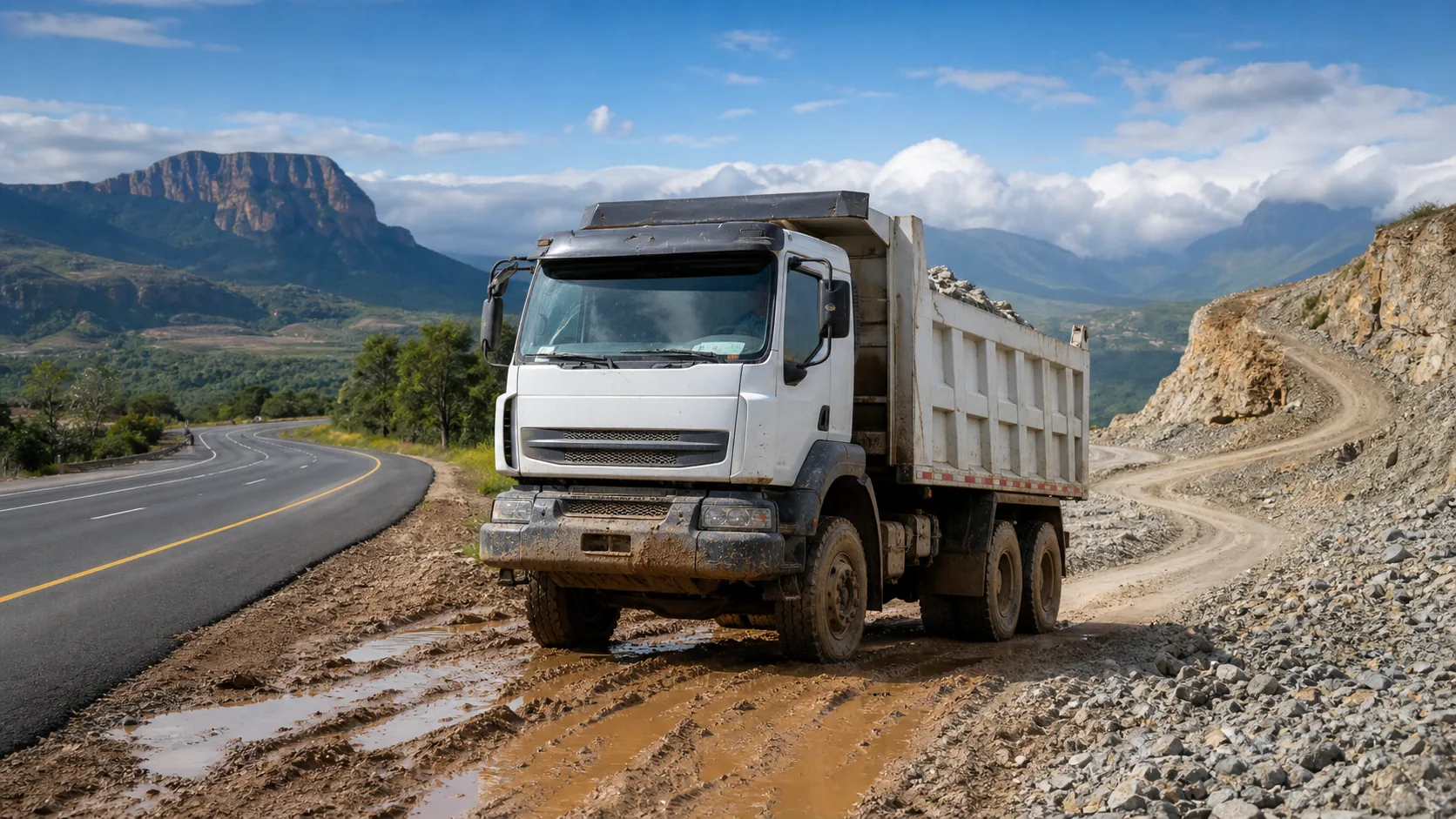
Horsepower matters, but it is not the only answer. A used tipper truck may be 371HP, 375HP, 430HP, or a similar power range. The buyer should match power with cargo weight, road slope, daily distance, gearbox, axle, cooling system, brakes, tyres, and real truck condition.
371HP and 375HP trucks are often used for construction material, sand, gravel, soil, road projects, and normal 6×4 work. A 430HP truck can be better for heavy load, quarry work, mining roads, mountain routes, and long-distance bulk transport.
For a used truck, higher horsepower needs a stricter check. A 430HP engine is not useful if the radiator, turbo, clutch, gearbox, rear axle, brakes, or tyres are weak.
| Power | Good For | Check Carefully |
|---|---|---|
| 371HP | Construction sites, sand, gravel, city projects, and normal road work. | Engine, gearbox, brakes, tyres, and hydraulic lift. |
| 375HP | Heavier construction, quarry support, medium routes, and fleet use. | Cooling system, clutch, rear axle, frame, tyres, and fuel use. |
| 430HP | Heavy load, mining road, quarry road, mountain road, and long routes. | Turbo, radiator, gearbox, rear axle, brakes, tyres, and chassis fatigue. |
Model-level choices include the used HOWO 6×4 10-wheel dump truck, used SHACMAN F3000 6×4 10-wheel dump truck, used HOWO 375HP heavy dump truck for export, and used HOWO 6×4 dump truck 371 HP.
For road-load thinking, buyers can also read trailer axle load capacity for African roads and how to choose trailer suspension for the African market. These are trailer guides, but the same road-first thinking helps with truck axle load, tyres, and rough-road work.
The dump body must match the cargo. A large body is not always better. One body size can carry very different weight when the cargo changes from coal to stone, wet sand, soil, or waste.
Coal often needs more body volume and good sealing. Stone and gravel need a stronger body and better floor protection. Wet sand and clay can be heavy and sticky. For this kind of cargo, the tipping angle and hydraulic system are very important.
| Cargo | Body Priority | Main Risk |
|---|---|---|
| Coal | More volume, good tailgate sealing, and suitable body height. | A body made for heavy stone may add too much dead weight. |
| Stone or crushed rock | Strong floor, strong side wall, cross ribs, and good tailgate lock. | A high body may overload the truck before it looks full. |
| Gravel and aggregate | Good floor condition, abrasion resistance, suspension, and tyre strength. | Repeated loading can wear the floor and damage weak sides. |
| Wet sand, wet soil, or clay | Payload margin, smooth unloading, tipping angle, and strong hydraulic lift. | Water increases weight. Sticky cargo may stay inside the body. |
| Demolition waste | Strong floor, side protection, good tailgate, and tyre cut resistance. | Sharp material can damage tyres, side walls, and exposed parts. |
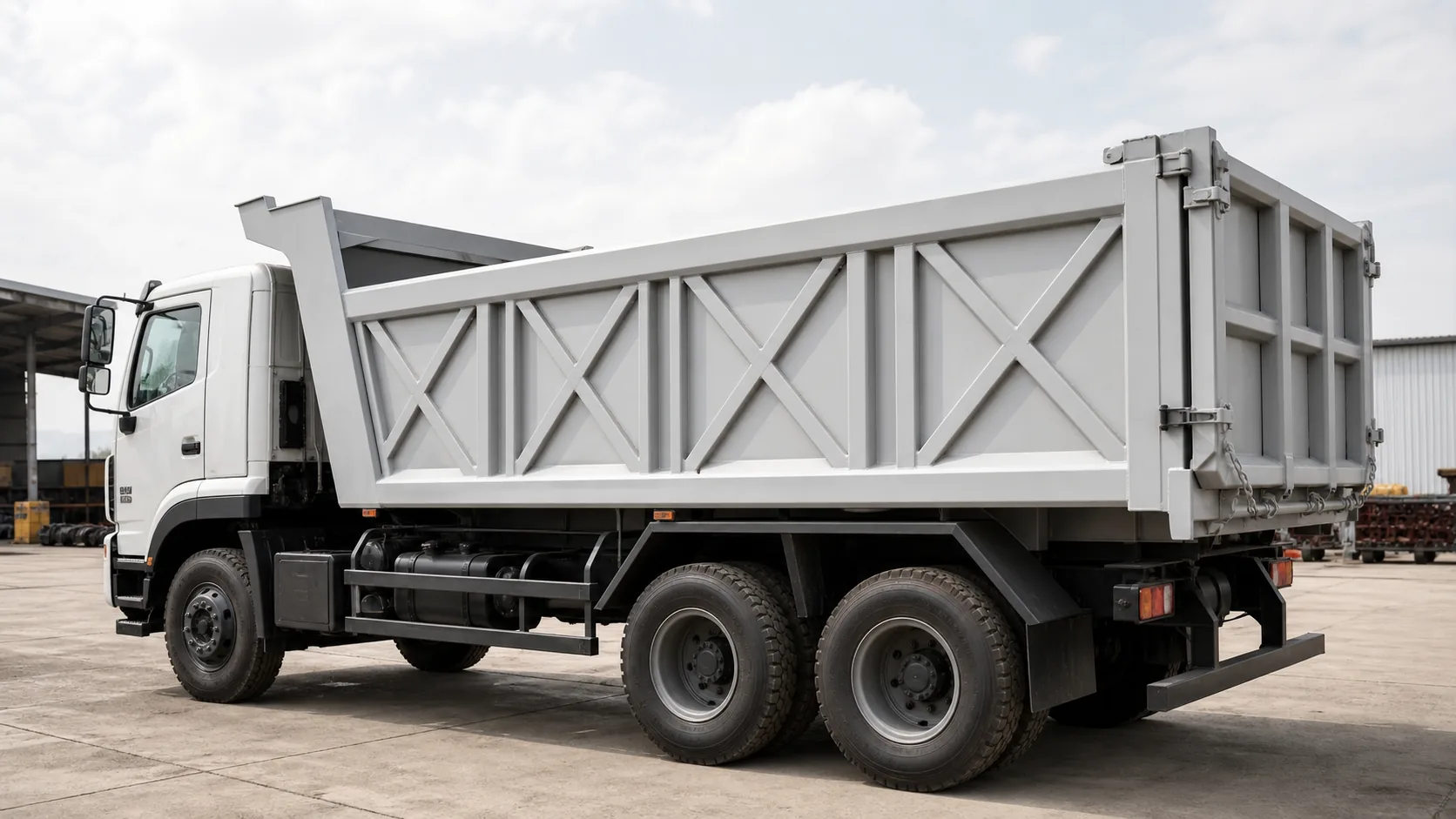
The dump body is not only a box. It takes impact from loaders, excavators, stones, sand, soil, coal, and repeated unloading.
FrogAuto commonly uses a cross-braced dump body structure. The side body has crossed reinforcement ribs. This design helps the body stay stronger during loading and unloading.
Some buyers want a special body shape for company branding. This can be discussed. But the body should still keep good strength, balance, welding, tailgate function, and hydraulic safety.
| Body Point | Why It Matters | Buyer Check |
|---|---|---|
| Cross-braced side | Helps the body stay strong in repeated work. | Check side wall, ribs, welding, and repair marks. |
| Floor plate | Takes the main impact and wear. | Check floor condition and thickness for the actual truck. |
| Side wall | Holds cargo pressure during turning, braking, and tipping. | Check bending, rust, cracks, and reinforcement. |
| Tailgate and hinge | Affects unloading, sealing, and body alignment. | Check lock, hinge wear, and leakage gaps. |
| Custom appearance | Can help branding, but cannot replace strength. | Do not choose appearance only. Keep structure first. |
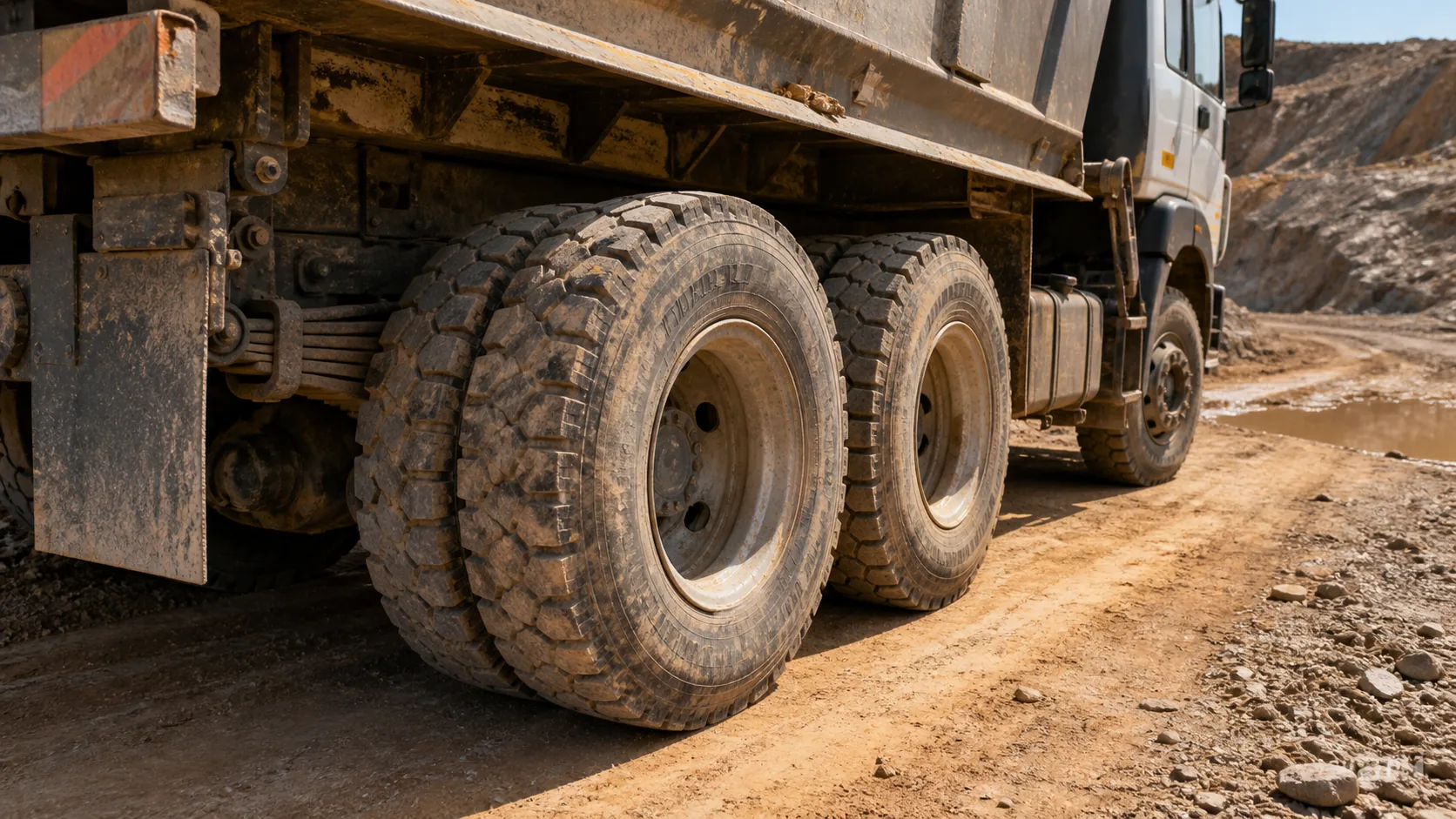
Tyres are part of truck safety. They are not just replacement parts. The tyre choice should match load, road, weather, distance, repair access, and spare tyre supply.
For heavy work, many buyers use steel-reinforced heavy-duty tyres. They are useful for stone, quarry, mining, and rough construction roads. For many hot African markets, tubeless tyres are also a good choice. Hot weather and long driving can raise tyre temperature. Tubeless tyres can reduce inner-tube friction risk and can be practical for long routes or mixed roads.
There is no one best tyre for every country. The buyer should check cargo weight, road heat, road damage, tread, tyre pressure, load rating, and local repair ability. For more detail, read trailer tire selection for African roads. The same heat, load, tread, and maintenance logic is useful for truck tyres.
| Tyre Type | Best Use | Buyer Note |
|---|---|---|
| Steel-reinforced heavy-duty tyre | Stone, quarry, mining, rough site, and heavy load. | Good for strength. Check heat, pressure, side cuts, and tread depth. |
| Tubeless tyre | Hot climate, longer road work, and mixed road use. | Useful for heat control. Confirm local repair ability. |
| Tube-type tyre | Markets where tube repair is easy and road speed is lower. | Can be practical, but pressure and heat must be checked often. |
| Road or Climate | Tyre Focus | Reason |
|---|---|---|
| Hot long-distance route | Pressure, heat control, even wear, and tubeless option. | Heat can shorten tyre life. |
| Quarry or stone route | Sidewall strength, cut resistance, deep tread, and load rating. | Sharp stone can cut the tyre. |
| Muddy rainy-season route | Grip, tread pattern, self-cleaning tread, and brake air protection. | The truck needs grip and stable braking on soft ground. |
| Mixed construction route | Balance between load, heat, grip, and local repair. | One truck may move between road, site, and rough access road. |
A used tipper truck must be checked like a working machine. Normal wear is acceptable if the buyer knows it. Hidden frame damage, bad brakes, serious oil leaks, weak lifting, or wrong documents are high-risk problems.
Clean paint is not enough. Good photos are not enough. The buyer should check engine, gearbox, frame, dump body, hydraulic system, tyres, brakes, cab, and documents before shipment.
| Area | What to Check | Good Standard |
|---|---|---|
| Engine | Cold start, idle, smoke, oil leak, coolant leak, turbo sound, and temperature. | Runs stable. No serious leak. No bad smoke. Temperature is controlled. |
| Gearbox and clutch | Gear shifting, clutch feel, reverse gear, low-speed move, and noise. | Smooth operation. No clear slipping or heavy abnormal sound. |
| Frame and chassis | Main beam, cross member, repair welding, bending, rust, and frame height. | No major crack, twist, unsafe repair, or serious rust. |
| Dump body | Floor, side wall, tailgate, hinge, ribs, cross-bracing, and repair marks. | Body condition matches the cargo and road. |
| Hydraulic system | Cylinder, PTO, pump, hoses, oil tank, lift speed, and oil leak. | Lift is smooth. No serious oil leak. Unloading is stable. |
| Axle and suspension | Rear axle, leaf spring, wheel end, axle noise, and repair marks. | Suitable for payload and road. No unsafe damage. |
| Tyres | Tread, side cuts, age, size, load rating, pressure, and inner dual tyres. | Condition is confirmed before quote or replacement discussion. |
| Brake system | Air tank, air lines, brake chambers, brake response, and air leak. | Brakes respond well. No serious air leak. |
| Cab and electrical | Dashboard, lights, horn, wipers, mirrors, seat, air conditioner, battery, and wiring. | Main driver controls work as agreed. |
| Documents | VIN, engine number, model, truck year, invoice, and export papers. | Numbers and documents match before shipment. |
FrogAuto can prepare available truck photos, videos, lifting test information, condition details, and shipment documents. The exact check depends on the selected truck and buyer request. Buyers in hot or rainy markets can also read semi-trailer maintenance in tropical climate for useful ideas on rust, tyres, brakes, and rainy-season maintenance.
Steering side must be confirmed before stock selection. Most used heavy trucks from China are left-hand drive. Some African countries use or prefer right-hand drive. This can affect import approval, registration, driver safety, resale value, and cost.
Changing from left-hand drive to right-hand drive is not a simple outside change. It can involve steering, dashboard, pedals, wiring, lights, mirrors, driver view, and local inspection.
The buyer should check local rules before ordering. FrogAuto can discuss sourcing or conversion case by case. Final import and registration approval should be confirmed by the buyer’s local authority or clearing agent.
Used tipper trucks need protection before ocean shipping. The truck may stay at sea for several weeks. Some Africa routes may take around 45 days, depending on vessel schedule, route, transshipment, and port. During this time, the truck faces salt air, humidity, rain, and port handling.
Before shipment, FrogAuto can do basic protection work. This may include cleaning, waxing, anti-rust treatment, mirror protection, light protection, battery check, and fixing loose parts.
| Part | Protection Work | Why It Helps |
|---|---|---|
| Mirrors | Fold, remove, or wrap them based on the shipping method. | Reduces damage during loading, lifting, and ship movement. |
| Cab exterior | Clean, wax, and protect easy-damage edges where practical. | Helps reduce salt-air corrosion and paint damage. |
| Lights and lenses | Wrap exposed lenses and check mounting. | Reduces cracks and port-handling damage. |
| Hydraulic lines | Check hose position and protect exposed hoses where needed. | Reduces damage before delivery. |
| Battery and electrical | Check battery connection and secure the battery. | Helps avoid electrical problems after arrival. |
| Metal surfaces | Use wax or anti-rust protection where practical. | Helps in high-salt and high-humidity sea air. |
| Loose accessories | Secure tools, small parts, covers, and removable items. | Reduces loss or damage in port handling. |
Sea freight is not a fixed number. A tipper truck is large cargo. It is not shipped like normal container goods. The cost depends on truck size, truck weight, destination port, vessel schedule, port condition, and shipping route.
Possible methods include Ro-Ro vessel, breakbulk, flat rack, port crane lifting, terminal transfer, and special vehicle handling. The correct method must be checked by truck, port, shipping line, and destination.
| Method | When It Is Used | Buyer Note |
|---|---|---|
| Ro-Ro vessel | The truck can be driven on and off the vessel. | Good for vehicles, but route and schedule must be confirmed. |
| Breakbulk | The truck is loaded as oversized cargo. | Needs a loading plan and better protection for exposed parts. |
| Flat rack | Used case by case when size, route, and cost allow it. | Not every tipper truck can use this method. |
| Port transfer or special handling | The truck needs terminal movement, lifting, or special equipment. | May add port cost and handling risk. |
FOB price and CIF price are different. CIF may change with destination port, freight market, fuel charge, port congestion, vessel schedule, truck size, and shipping method. Common Africa ports include Mombasa, Dar es Salaam, Tema, Lagos, and Durban. The final freight must be checked when the buyer asks for a quote. For freight terms, read CIF vs FOB trailer shipping to Africa. For a port example, read how to ship a trailer from China to Lagos Port.
Customs duty for a used tipper truck is not fixed. Each country has different rules. Duty can change by truck year, vehicle age, HS code, declared value, engine information, weight class, and local import policy.
A newer used truck and an older used truck may pay different duty in the same country. Some countries have vehicle-age rules. Some countries limit old used vehicles. Some may add inspection, environmental charges, or extra tax.
FrogAuto can provide invoice, packing information, truck details, VIN, engine number, and shipping documents. The buyer should confirm final duty with a local clearing agent or customs office before shipment. For country examples, read how to import a used trailer to Ghana and semi-trailer import duty in South Africa. They are trailer guides, but they show why country, age, and documents matter.
| Duty Factor | Why It Matters | Who Confirms It |
|---|---|---|
| Destination country | Each country has its own tariff, tax, age, and registration rules. | Local clearing agent or customs office. |
| Truck year and age | Old and newer used trucks may be treated differently. | Local clearing agent before order. |
| HS code | Customs classification affects duty. | Customs broker or customs authority. |
| Declared value | Used for duty and tax calculation. | Clearing agent with invoice and local rules. |
| Engine, weight, and use | Some markets use these details for tax or registration review. | Buyer, clearing agent, and local transport authority. |
Truck life depends on how it is driven and maintained. A used tipper truck can work longer when the owner controls speed, avoids overload, trains drivers, uses cleaner fuel where possible, changes oil and filters on time, and checks tyres, brakes, hydraulics, and cooling system.
For heavy work, FrogAuto suggests keeping working speed under 90 km/h when road, law, cargo, and load condition require safer driving. Stable speed is better than aggressive driving. Hard braking, hard acceleration, overload, and fast driving on rough roads can shorten engine, gearbox, frame, tyre, brake, and hydraulic life.
Fuel quality is different in different markets. If diesel quality is not stable, the owner should check fuel filters, water separator, engine oil, injector protection, and service time more often. For business cost thinking, starting a trucking business in Nigeria with a trailer gives useful ideas on route income, cost control, and compliance.
| Maintenance Point | Why It Matters | Simple Action |
|---|---|---|
| Speed control | Reduces engine load, tyre heat, brake stress, and frame fatigue. | Keep heavy-work speed under safe limits, often below 90 km/h where needed. |
| Driver training | Bad driving makes the truck wear faster. | Avoid hard braking, hard acceleration, overload, and fast driving on rough roads. |
| Fuel filter and water separator | Protects the fuel injection system when diesel is not clean. | Check and replace filters more often in difficult fuel markets. |
| Engine oil and oil filter | Protects the engine in hot, dusty, and heavy-load work. | Change oil and filter on time. Shorten the service time in harsh work. |
| Air filter | Dust can damage the engine. | Clean or replace the air filter more often on dusty roads. |
| Cooling system | Hot weather and mountain roads can overheat the engine. | Check coolant, radiator, fan, belts, and temperature before long trips. |
| Tyres and brakes | They control safety under heavy load. | Check pressure, sidewall, tread, air pressure, and brake response every day. |
| Hydraulic system | If it cannot lift, the truck cannot unload. | Check oil, hoses, cylinder, PTO, and lifting movement often. |
A good quote needs real work information. Before asking for price, the buyer should prepare the job details and import needs. This helps avoid buying a truck that looks cheap but does not fit the work.
FrogAuto can help buyers compare used tipper trucks by model, horsepower, body condition, tyre setup, inspection result, and export route. Useful model pages include the used HOWO 6×4 10-wheel dump truck, used HOWO 6×4 371HP dump truck for export, used HOWO 371 HP 10-wheel mining dump truck, used SHACMAN F3000 6×4 10-wheel dump truck, and used HOWO 375HP heavy dump truck for export.
Useful buyer guides can also help after the buyer chooses a truck type. For freight terms, read CIF vs FOB trailer shipping to Africa. For tyre choice, read trailer tire selection for African roads. For road-load thinking, read trailer axle load capacity for African roads. For tropical maintenance, read semi-trailer maintenance in tropical climate.