
Direct answer: Semi-trailer maintenance in tropical climate should focus on five high-risk systems: frame corrosion, tire pressure and heat, brake air lines, suspension wear, and electrical sealing. In humid, rainy, coastal, or muddy African routes, a fleet should inspect the trailer before every trip, wash and dry moisture traps weekly, protect exposed steel, measure tire pressure when cold, drain air tanks, and keep a small parts kit ready for lights, air fittings, brake linings, wheel nuts, and suspension bushings.
For a buyer, maintenance starts before the trailer is built. A semi-trailer for tropical climate should be specified with a practical paint system, easy-to-service running gear, common tire sizes, protected wiring, accessible grease points, and spare parts that the local workshop can actually use. A stronger frame is useful, but it will not save the fleet if rust, heat, mud, and poor inspection discipline are allowed to work every day.

Quick Buyer Decisions
- Choose a trailer configuration that your local workshop can maintain, not only the one with the highest brochure payload.
- Inspect rust-prone points first: frame rails, crossmembers, weld seams, suspension hangers, landing gear mounts, kingpin plate, deck edges, rear bumper, and toolboxes.
- Check tire pressure when cold and before loading, especially after the trailer has stood in heat, rain, or a port yard.
- Treat brake air leaks as stop-dispatch issues. A leaking hose or chamber can become a safety problem on long wet routes.
- Drain air tanks and protect wiring connectors during rainy season.
- Keep repair records with photos, dates, part numbers, and the route where the problem appeared.
- Include a tropical maintenance kit in the purchase plan: touch-up paint, anti-rust spray, air fittings, light plugs, spare bulbs, wheel nuts, grease, brake linings, hoses, and basic tools.
Why Tropical Climate Changes the Maintenance Plan
Tropical trailer maintenance is different because heat, humidity, rain, mud, salt air, and long parking time can attack the same trailer from several directions at once. A trailer may look acceptable after unloading, but moisture can remain inside frame corners, under mud on suspension parts, inside wiring connectors, and around brake hoses.
The World Bank Transport overview, accessed June 18, 2026 says more than one billion people live more than 2 km from an all-weather road, and that resilient transport systems are essential for economic growth. For semi-trailer fleets, that point is practical: many routes mix paved corridors, rough yards, wet rural roads, port waiting, and inland delivery. Maintenance has to follow the route, not just a fixed calendar.
Data point: The World Bank Transport overview, accessed June 18, 2026, says low- and middle-income countries require $417 billion in resilient transport investments each year through 2030.
Data point: The World Bank Transport overview, accessed June 18, 2026, says more than one billion people live more than 2 km away from an all-weather road.
The World Bank Logistics Performance Indicators 2.0 page, accessed June 18, 2026 says the latest dataset covers 2023-2024 and notes high unpredictability at ports, transshipment hubs, and inland checkpoints. For a tropical-route trailer, waiting time is not neutral. A trailer parked for days near a humid port, on wet ground, or under salt air still needs inspection before dispatch.
Data point: The World Bank LPI 2.0 page, accessed June 18, 2026, says the latest LPI dataset covers the 2023-2024 period and measures speed and connectivity across global supply chains.
Rust Control Starts With Moisture Traps
Rust control in a tropical climate starts by finding where water and mud stay after washing, rain, or port storage. The visible side of a trailer is only part of the problem. The expensive corrosion usually begins around seams, brackets, bolts, weld edges, and hidden pockets where road dirt holds moisture against steel.
The ISO 12944-2:2017 page from ISO, accessed June 18, 2026 describes the standard as a classification of environments and corrosivity for steel structures, including special corrosion stresses that can increase corrosion rate and require higher protective paint performance. A fleet buyer does not need to turn every trailer purchase into a laboratory project, but the principle is useful: the environment should guide the coating and inspection plan.
Data point: ISO lists ISO 12944-2:2017 as last reviewed and confirmed in 2023, and the ISO page accessed June 18, 2026 lists the edition as current.
For semi-trailers, check these areas first:
| Rust-prone area | What to inspect | Maintenance action |
|---|---|---|
| Main frame rails | Paint chips, weld edge rust, mud buildup | Wash, dry, sand small rust, apply primer and topcoat |
| Crossmembers | Rust at joints and drain points | Keep drain holes open and touch up exposed steel |
| Suspension hangers | Rust around bolts and brackets | Clean after muddy routes and inspect cracks |
| Landing gear mounts | Paint damage and loose bolts | Grease moving parts and tighten fasteners |
| Kingpin plate | Wear, cracks, grease contamination | Clean, inspect, and grease correctly |
| Deck edges | Scratches from loading cargo | Touch up paint before rain enters exposed steel |
| Toolbox and spare tire carrier | Standing water and rust inside box | Drill or clean drain path, dry tools and parts |
If the trailer works near ports, coastal warehouses, fishery logistics, fuel depots, or humid agricultural yards, shorten the rust inspection interval. A trailer that works in dry inland routes may survive with monthly rust checks; a coastal trailer may need weekly wash-and-touch-up discipline.
Tires and Heat Need Cold-Pressure Discipline
Tire maintenance in tropical climate should begin with cold pressure, tread condition, tire age, and load distribution. Hot roads, long idle time, rough shoulders, potholes, and underinflation can turn a normal tire into a downtime event.
The NHTSA TireWise page, accessed June 18, 2026 says poor tire maintenance, including not having enough air and failing to rotate tires, can lead to flat tires, blowouts, or tread separation. NHTSA also says proper tire pressure is central to tire safety, durability, and fuel consumption, and recommends checking tire pressure when tires are cold. Although NHTSA writes for a broad vehicle audience, the maintenance logic is even more important for semi-trailers carrying heavy cargo in heat.
Data point: NHTSA TireWise, accessed June 18, 2026, reports 511 deaths in tire-related crashes in 2024.
Data point: NHTSA TireWise, accessed June 18, 2026, recommends checking all tires at least once a month when they are cold.
For tropical fleet work, use this tire routine:
| Check | Best timing | What to record |
|---|---|---|
| Cold tire pressure | Before dispatch and before loading | Tire position, pressure, date, driver |
| Sidewall cuts | Before and after rough-yard work | Photo and replacement decision |
| Tread depth and uneven wear | Weekly or after long route | Inner, middle, outer tread condition |
| Dual tire mismatch | Before long-haul trips | Size, pattern, pressure difference |
| Valve stem and cap | Every pressure check | Missing cap, leak, damaged valve |
| Spare tire | Monthly | Pressure, mounting position, tools |
Uneven tire wear often points to another problem: poor alignment, overloaded axle group, worn suspension bushings, bad shock absorption, or incorrect loading. If the fleet repeatedly loses tires on one route, read the guide to trailer axle load capacity for African roads and check the loading pattern before blaming only the tire brand.
Brakes, Air Lines, and Suspension Need Rainy-Season Rules
Brake and suspension maintenance in tropical climate should treat water, mud, and air leakage as daily operating risks. A trailer may leave the factory with a reliable brake system, but poor hose routing, damaged connectors, wet wiring, clogged mud, and neglected air tanks can create problems after weeks of work.
Inspect the brake system in this order:
| Component | Tropical-climate risk | Buyer or fleet action |
|---|---|---|
| Air hoses | Cracking, rubbing, loose connection | Replace worn hoses and secure routing |
| Brake chambers | Rust, leakage, weak response | Inspect for leaks and damage |
| Air tanks | Water accumulation | Drain according to service routine |
| Valves and fittings | Mud, water, air loss | Clean and leak-test |
| Brake linings | Heat, wet contamination, uneven wear | Inspect thickness and surface condition |
| ABS sensors and wiring | Wet plug, broken cable, poor sealing | Protect connectors and test warning system |
| Leaf springs and bushings | Mud-packed movement, wear, cracking | Wash, inspect, grease where applicable |
Suspension choice also changes the maintenance burden. Mechanical leaf spring suspension is often easier to service in remote areas, while air suspension can protect cargo on controlled corridors but needs stronger parts discipline. For a deeper comparison, see How to Choose Trailer Suspension for the African Market.
Need a trailer built for humid routes?
Compare frame, paint, axle, brake, suspension, and spare-parts options for African tropical operating conditions.
A Practical Tropical Maintenance Calendar
A tropical semi-trailer maintenance calendar should be simple enough for drivers to follow and detailed enough for the workshop to act on. The best format is a route-based checklist: what must be checked before dispatch, what must be cleaned after rain or mud, and what must be reviewed by a mechanic at fixed intervals.

| Timing | Main responsibility | What to check | Required record |
|---|---|---|---|
| Before every dispatch | Driver | Tires, lights, coupling, air leaks, visible rust, load security | Pre-trip checklist and photos of abnormal findings |
| After heavy rain or muddy work | Driver and workshop | Brake air system, wiring plugs, mud on springs, deck water, frame corners | Wash, drain, dry, and inspect before the next load |
| Every week | Workshop | Rust points, wheel nuts, landing gear, spare tire, toolbox, suspension hangers | Repair log with date, part name, and route |
| Every month | Workshop manager | Brake chambers, hoses, valves, axle alignment, bushings, tire wear pattern | Signed service sheet and replacement notes |
| Before coastal or port storage | Fleet manager | Paint chips, exposed steel, spare parts, tire cover, parking surface | Storage note with location and next inspection date |
| Before long inland route | Fleet manager | Cold tire pressure, brake response, suspension condition, tool kit, spare parts | Dispatch approval before loading |
For imported trailers, add two more inspection points: one before shipment from China and one immediately after port release. The article on importing semi-trailer from China to Nigeria explains why factory photos, loading photos, and arrival inspection can prevent arguments after delivery. The same discipline is useful for tropical maintenance because it creates a clear starting condition for the trailer.
Specification Choices That Reduce Maintenance Problems
The best time to reduce tropical maintenance risk is before production. If the buyer waits until the trailer is already working, every improvement becomes a repair expense instead of a specification choice. Use the order confirmation stage to make service access, corrosion protection, tire availability, brake parts, and wiring protection clear.
Use this buyer table before confirming the order:
| Specification decision | Why it matters in tropical service | What to confirm before order |
|---|---|---|
| Paint preparation and touch-up kit | Slows rust after scratches, loading damage, and rain exposure | Primer, topcoat, frame photos, and matching touch-up paint |
| Accessible grease points | Makes weekly maintenance realistic for the workshop | Grease point location and service interval |
| Common tire size | Reduces downtime when tires must be replaced locally | Tire size, ply rating, spare tire, and local availability |
| Protected wiring harness | Reduces lighting failure from wet plugs and damaged cables | Cable routing, connector sealing, and spare light plugs |
| Air lines routed away from rubbing points | Reduces air leaks, hose wear, and brake response problems | Hose routing photos and spare fittings |
| Standard axle and brake parts | Improves local serviceability outside major cities | Axle brand, brake lining type, chamber model, and part numbers |
| Drain holes and open frame details | Reduces standing water and mud trapped against steel | Drain path around crossmembers, toolboxes, and deck corners |
| Spare wheel, nuts, fittings, bulbs, hoses | Solves common route problems without waiting for shipment | First-year spare-parts list packed with the trailer |
If your fleet is buying new trailers, compare product pages by route and cargo, not only by price. A flatbed for agricultural routes, a side wall trailer for mixed cargo, a lowbed for machinery, and a tank trailer for fuel distribution do not fail in the same way.
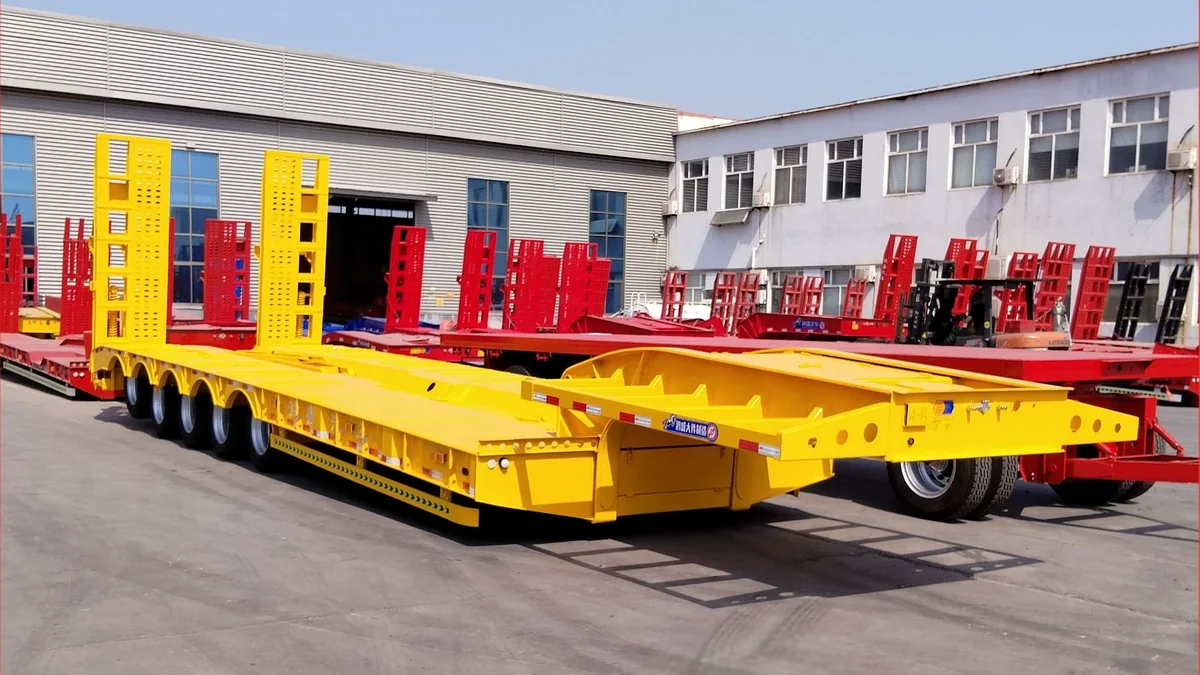
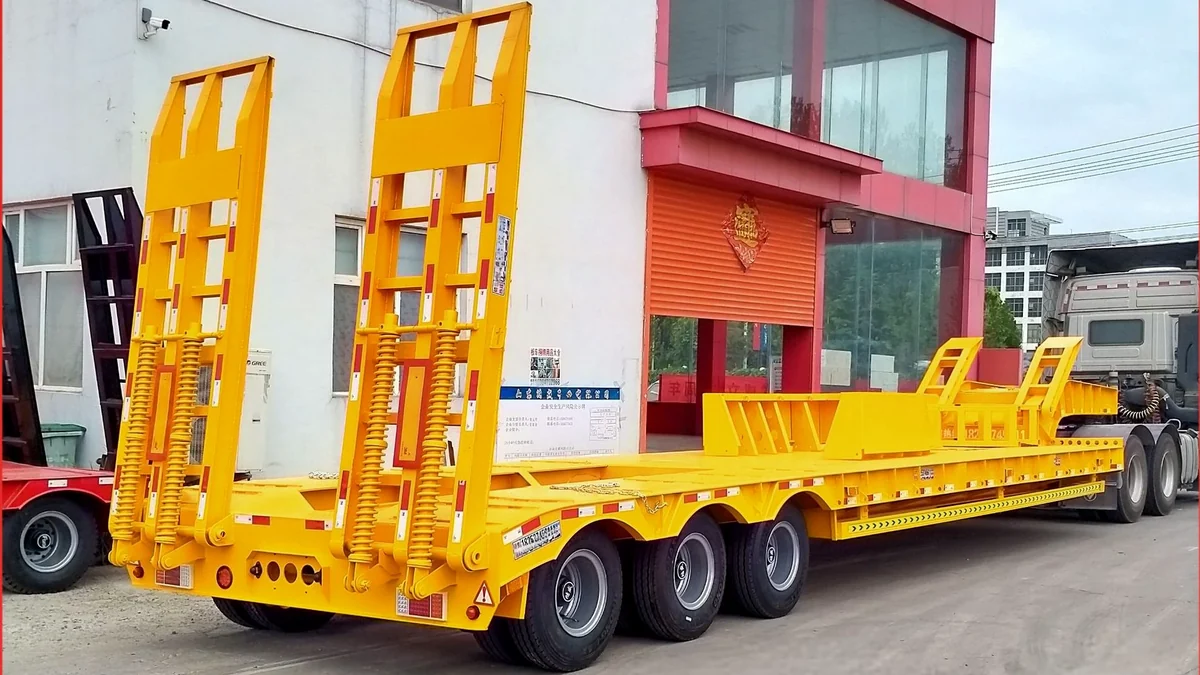
For heavy equipment routes, the Lowbed Semi-Trailer should be checked for ramp strength, deck height, axle layout, ground clearance, brake system, and spare parts. For fuel distribution or coastal depot work, the Fuel Tank Semi Trailer needs stronger attention to valves, tank fittings, electrical grounding points, brake reliability, and corrosion control.
Maintenance Priority Matrix for Fleet Managers
Fleet managers should separate cosmetic issues from dispatch-stopping issues. A paint chip on the deck edge needs action, but it may not stop a local empty movement. An air leak, loose wheel nut, damaged tire, weak brake chamber, or cracked suspension bracket should stop dispatch until the problem is checked and recorded.
| Finding | Dispatch decision | Workshop action | Record needed |
|---|---|---|---|
| Air leak at hose, valve, or chamber | Stop dispatch | Repair and leak-test before loading | Photo, part changed, leak-test result |
| Loose wheel nut | Stop dispatch | Retorque and inspect rim, stud, and wheel seat | Wheel position and torque check |
| Underinflated or damaged tire | Stop dispatch | Inflate cold, inspect leak, replace if unsafe | Tire position, pressure, repair decision |
| Weak brake response or worn lining | Stop dispatch or same-day workshop | Check brake balance and replace worn parts | Brake part number and mechanic note |
| Rust at weld seam or suspension bracket | Same-day workshop | Clean, inspect crack risk, repaint or repair | Before and after photos |
| Wet wiring plug or failed light | Same-day workshop | Dry, seal, and test all lights | Connector location and test result |
| Mud-packed springs or bushings | Workshop before next long route | Wash, inspect movement, grease where applicable | Route and suspension position |
| Deck paint chip or scratched edge | Schedule repair | Touch up before rust spreads | Location and touch-up date |
This matrix is useful after a trailer returns from a wet route, quarry, farm, mine site, port yard, or coastal depot. It also helps drivers and mechanics use the same language: stop-dispatch items are repaired before loading, same-day workshop items are handled before the next serious route, and scheduled items are monitored but not ignored.
Storage Rules for Humid Yards and Ports
Trailer storage in tropical climate should prevent standing water, tire damage, corrosion, and parts theft. A trailer parked for two weeks in the wrong place can collect more corrosion risk than a trailer working every day and being washed properly.
Use these storage rules as a yard checklist:
| Storage point | Good practice | Reason |
|---|---|---|
| Parking surface | Park on hard ground, not grass, soil, or standing water | Reduces moisture under tires, frame, and landing gear |
| Drainage | Keep the deck clear enough for water to run off | Prevents standing water around deck edges and floor joints |
| Mud removal | Wash mud from springs, brake chambers, frame brackets, and toolboxes | Stops wet dirt from holding moisture against steel |
| Tires | Check pressure before and after long parking | Prevents low-pressure damage and catches slow leaks |
| Coupling and landing gear | Grease moving surfaces before extended storage | Reduces seizure and corrosion |
| Wiring | Protect plugs from rain and direct splash | Reduces lighting and ABS warning faults |
| Spare parts | Keep parts dry in a sealed box with a simple inventory | Prevents corrosion and loss |
| Records | Note storage date, yard location, and next inspection date | Makes follow-up inspection easier |
Used trailers need stricter inspection. If the frame has old rust, repaired welds, unknown brake parts, or mismatched tires, the saving can disappear quickly. The guide on how to import a used trailer to Ghana is useful when comparing used and new trailer risk before buying.
Spare Parts to Keep for the First Year
A tropical-route spare-parts kit should be matched to the trailer type and route. The list below fits many flatbed, side wall, skeletal, and general cargo semi-trailers. Lowbed, tanker, tipper, refrigerated, and other special trailers should add parts for ramps, valves, hydraulic systems, refrigeration units, or special electrical equipment.
| Part group | Recommended items | Why to keep them locally |
|---|---|---|
| Tire and wheel | Spare tire, wheel nuts, valve caps, tire pressure gauge | Prevents small tire problems from becoming route delays |
| Brake and air | Brake linings, air hoses, fittings, gladhand seals, valve repair items | Keeps the trailer dispatchable after air leaks or brake wear |
| Electrical | Light plugs, bulbs or LED units, wiring connectors, protective tape | Solves common rainy-season lighting faults |
| Suspension | Bushings, U-bolts where applicable, common spring parts | Supports repair after rough-road and muddy-route work |
| Rust control | Touch-up paint, primer, wire brush, anti-rust spray | Lets the workshop repair exposed steel quickly |
| Body and deck | Rope hooks, lashing rings, hinge pins, toolbox lock | Reduces cargo-securing and yard-use problems |
| Documentation | Part numbers, supplier contact, service record, warranty note | Helps local mechanics order the correct replacement parts |
For cargo that regularly hits legal weight limits, maintenance and loading must be planned together. The guide to trailer weight limits in African countries explains why axle load, gross combination weight, permits, and loading position affect safety and wear.
Frequently Asked Questions
How often should a semi-trailer be inspected in tropical climate?
A semi-trailer in tropical climate should receive a driver pre-trip check before every dispatch, a weekly rust and wash inspection, and a monthly workshop inspection. Coastal, rainy-season, mining, quarry, and muddy rural routes need shorter intervals because moisture and mud can damage several systems at the same time.
What is the most common tropical climate maintenance mistake?
The most common mistake is treating rust, tire pressure, wet wiring, and air leaks as small issues until the trailer fails on route. In humid conditions, small paint damage, underinflation, or brake air leakage can turn into expensive downtime.
Should buyers choose leaf spring or air suspension for tropical African routes?
Leaf spring suspension is often easier to repair on rough or remote tropical routes. Air suspension can work well on controlled paved corridors, but it needs better air-system maintenance, clean fittings, available airbags, and trained mechanics. The best choice depends on route quality, cargo sensitivity, local workshop skill, and spare-parts access.
How can buyers reduce rust before the trailer ships?
Buyers should confirm paint preparation, coating quality, drain points, weld cleaning, frame design, touch-up paint, and loading protection before shipment. Ask for photos of the frame before paint, after paint, and before loading so there is a clear record of the trailer condition.
What parts should be included with a new semi-trailer for humid routes?
Start with tire and wheel items, brake air fittings, light plugs, spare bulbs, wheel nuts, touch-up paint, grease, brake linings, hoses, and a part-number list. Add special parts for lowbed ramps, tank trailer valves, tipper hydraulics, refrigerated equipment, or other special systems when needed.
Conclusion
Semi-trailer maintenance in tropical climate is a route-based discipline. The trailer should be specified for humidity, heat, rain, mud, salt air, local workshop capacity, and real cargo weight before production. After delivery, the fleet should protect steel, measure tire pressure cold, drain and test the brake air system, inspect suspension after muddy work, seal wiring, and keep repair records with photos and part numbers.
A well-maintained trailer does not only last longer. It keeps freight moving when weather, roads, ports, and checkpoints make logistics unpredictable.