
Direct answer: To import a semi-trailer to Senegal via Dakar port, the buyer should prepare French-ready documents, confirm the shipment term, coordinate with a local clearance agent, match the trailer type to cargo and route, and inspect the unit before it enters fleet service. The best import plan reduces uncertainty before the vessel arrives.
Senegal sits on the Atlantic side of West Africa, and Dakar is a strategic logistics location for regional trade. DP World Senegal describes Senegal as a natural gateway into West Africa and highlights port services, transport networks, warehousing, logistics, and global connectivity. For semi-trailer buyers, that means Dakar can support fleet imports, but the buyer still needs a document and specification plan.
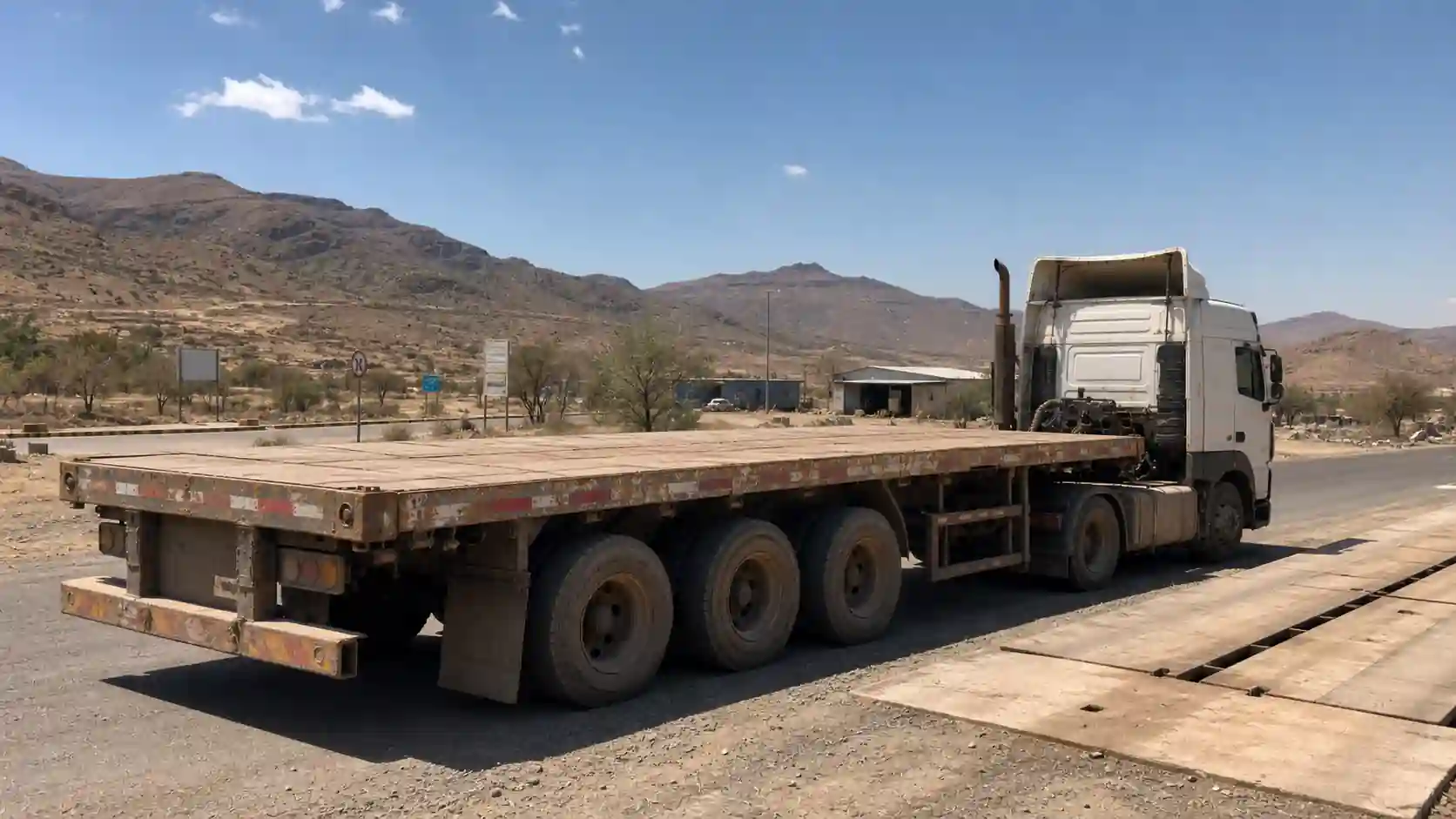
Quick Buyer Decisions
- Keep one French-ready cargo description across the contract, invoice, packing list, bill of lading, and specification sheet.
- Pick CIF when the buyer needs supplier-managed main freight; pick FOB when the buyer has a trusted forwarder and wants freight control.
- Choose the trailer by cargo flow: containers, agriculture, construction, fuel, machinery, or mixed regional freight.
- Plan port release, customs, inland parking, tractor availability, and fleet-entry inspection before vessel arrival.
- Photograph the chassis number and trailer condition before loading in China and again at Dakar arrival.
Dakar Port Planning Starts With the Buyer
Dakar port planning starts with the buyer because the supplier cannot control every destination-side detail. The buyer should appoint an agent, confirm the document format, and decide how the trailer will move after release. If the trailer is not immediately pulled by a tractor, the buyer should know where it will be parked and who will inspect it.
The buyer should confirm:
| Question | Why it matters |
|---|---|
| Which carrier and route will be used? | Controls schedule and visibility |
| Which freight term is in the contract? | Defines cost and risk split |
| Who is the consignee and notify party? | Affects release process |
| Is the trailer shipped assembled? | Affects handling and inspection |
| Who handles Dakar clearance? | Prevents last-minute agent search |
| How will the trailer leave port? | Avoids terminal storage delay |
If the buyer is considering general cargo transport, Side Wall Trailer vs Flatbed for Cargo in Africa gives a useful comparison. Machinery buyers should review the Lowbed Semi-Trailer, and fuel distributors should compare the Fuel Tank Semi Trailer before confirming Dakar paperwork.
French-Ready Paperwork for Senegal
French-ready paperwork helps Senegal buyers, agents, and finance teams align on the same cargo identity. The supplier should use one product description consistently. Avoid switching between "semi-trailer," "truck trailer," "vehicle," and "transport equipment" in different documents unless the agent has approved the wording.
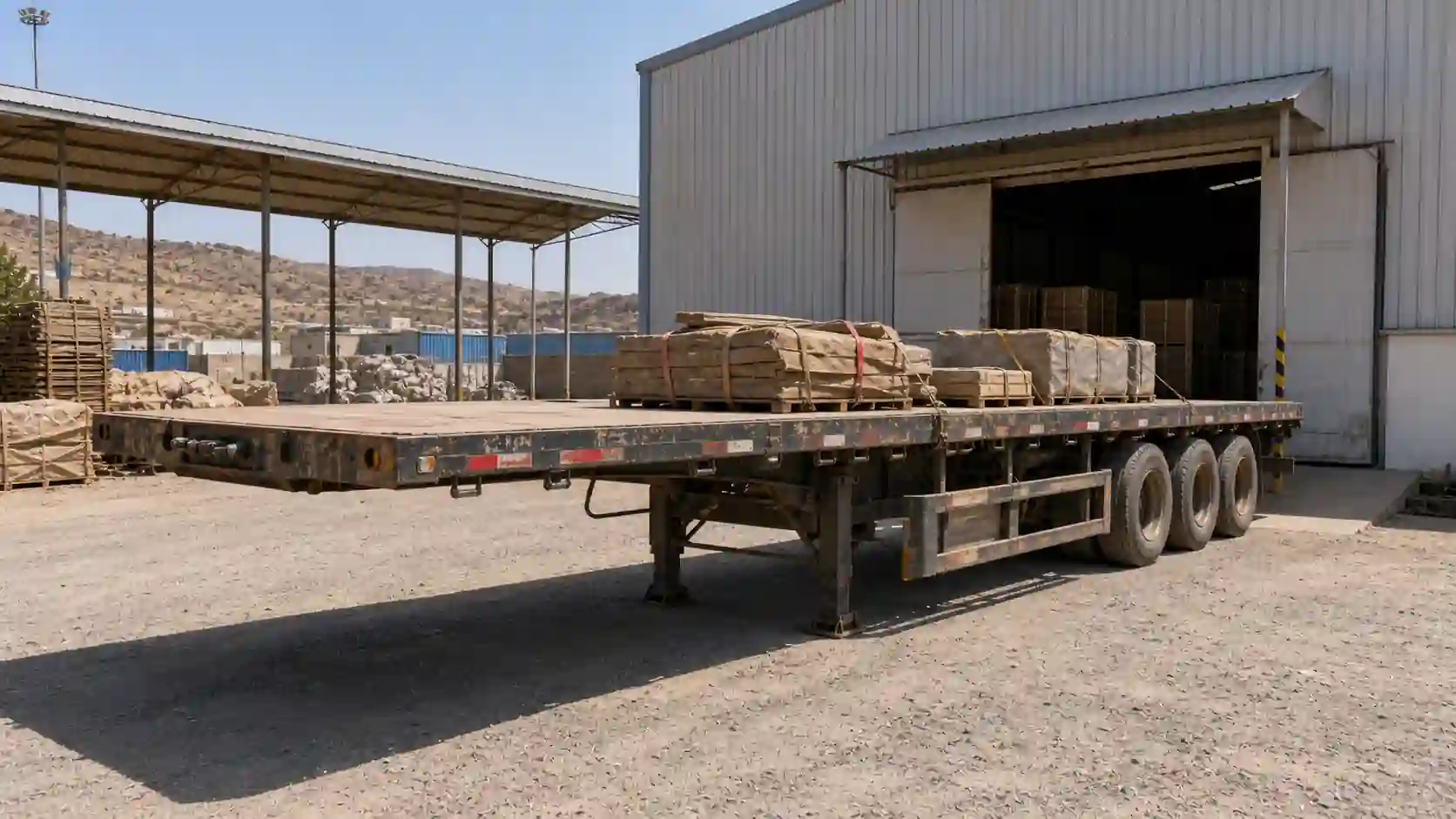
Minimum document set:
- Commercial invoice.
- Packing list.
- Bill of lading draft.
- Sales contract.
- Trailer specification sheet.
- Chassis number list and photos.
- Freight insurance document if applicable.
- Certificate documents requested by the buyer or agent.
Ask the local agent whether the product description should include semi-remorque, semi-remorque plateau, semi-remorque citerne, porte-engins, or another French term. Consistent wording is more important than sounding sophisticated.
Trailer Configuration for Senegal Cargo
Senegal buyers may use semi-trailers for container cargo, bagged agricultural products, construction materials, fuel transport, equipment movement, and regional distribution. Each use case needs a different configuration.
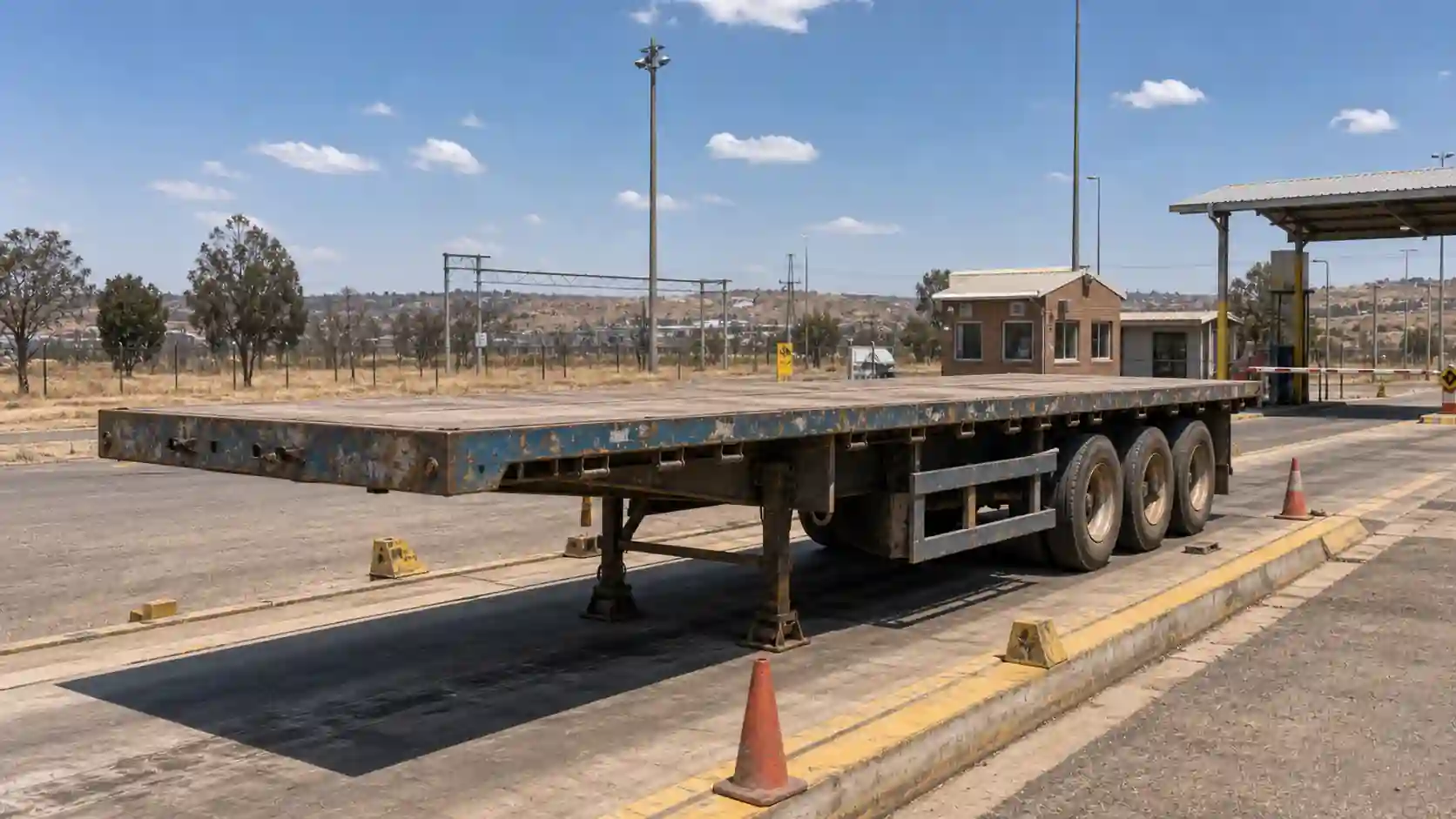
| Cargo plan | Trailer option | Specification focus |
|---|---|---|
| Container cargo | Skeletal or flatbed | Twist locks, frame strength |
| Agriculture | Flatbed or side wall | Tarpaulin, rope hooks, side protection |
| Construction | Tipper, flatbed, side wall | Steel, tires, suspension |
| Fuel | Fuel tank semi-trailer | Safety fittings, compartments |
| Machinery | Lowbed trailer | Payload, ramp, deck height |
| Mixed regional cargo | Flatbed or side wall | Flexibility and securement |
Buyers should also check axle load and suspension early. The articles on trailer axle load capacity and trailer suspension are useful for technical decisions.
CIF vs FOB for Dakar Shipments
CIF and FOB should be compared carefully. ICC explains that Incoterms rules clarify the allocation of tasks, costs, and risks. For a Dakar semi-trailer import, CIF can reduce workload for a first-time buyer because the supplier arranges main freight and insurance to the named port. FOB can be better for an experienced buyer with a trusted freight forwarder.
The key is to avoid a false comparison. A lower FOB price may not be cheaper after adding ocean freight and insurance. A CIF price may not include destination charges, customs cost, port release cost, or inland delivery. The related guide CIF vs FOB Trailer Shipping to Africa explains the trade-off in detail.
Dakar Arrival and Buyer Inspection
Arrival inspection should happen before the trailer begins commercial work. The buyer or agent should check the physical unit against the document set.
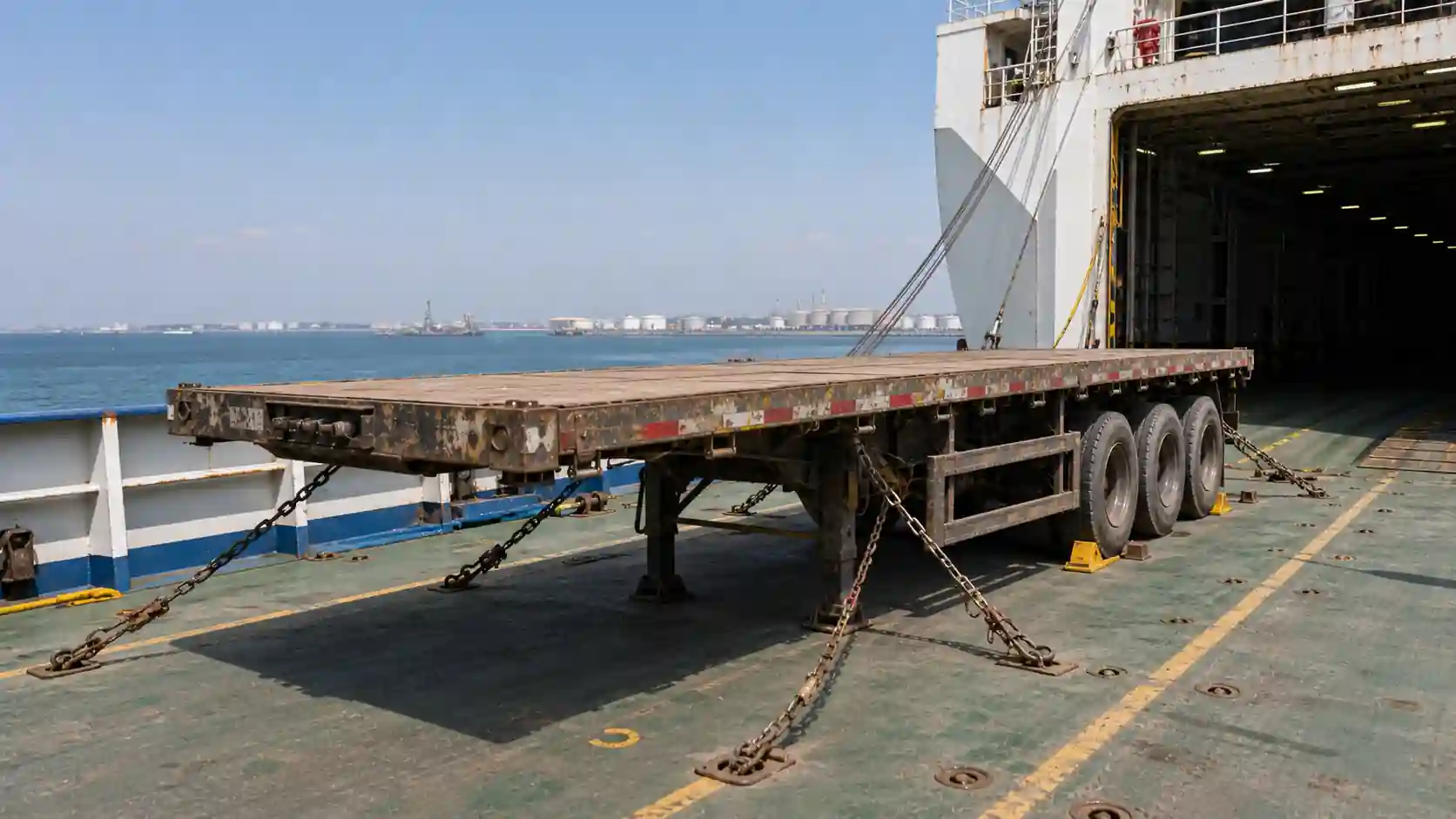
Inspection checklist:
| Area | What to inspect |
|---|---|
| Identity | Chassis number, nameplate, model |
| Running gear | Tires, rims, wheel nuts, axles |
| Brake system | Air lines, brake chambers, valves |
| Electrical | Lights, connectors, wiring |
| Body | Deck, side wall, tank, ramp, paint |
| Landing gear | Lifting and handle condition |
| Accessories | Spare tire, toolbox, straps, fittings |
| Documents | Invoice, packing list, bill of lading, photos |
If any damage appears, take dated photos immediately and notify the supplier, forwarder, insurer, and local agent.
Spare Parts for First Months of Work
The first spare-parts kit should match the trailer configuration. For a flatbed, side wall, or skeletal trailer, include lights, wiring connectors, brake fittings, wheel nuts, air hoses, grease points, and tire plan. For a fuel tank trailer, add safety fittings and valve-related spares as recommended by the supplier. For a lowbed trailer, include ramp-related service parts.
Frequently Asked Questions
Can Senegal buyers import semi-trailers through Dakar port?
Yes. Dakar is a major West African logistics location, and buyers can plan semi-trailer imports through Dakar with a carrier, forwarder, and local clearance agent.
Should Senegal import documents be in French?
French-ready product descriptions are recommended. The buyer should keep cargo descriptions consistent across invoice, packing list, bill of lading, and specification sheet.
Is CIF Dakar enough for a complete landed cost?
No. CIF may cover main freight and insurance to the named port, but destination charges, customs, port release, inland delivery, and spare parts still need budgeting.
Which trailer is best for Senegal?
The best trailer depends on cargo. Container work may need a skeletal trailer, agriculture may need flatbed or side wall, construction may need a tipper, and machinery may need a lowbed.
Conclusion
Importing a semi-trailer to Senegal via Dakar port is a document and corridor management job. The buyer should control French-ready paperwork, freight terms, local clearance, product configuration, arrival inspection, and spare parts. A disciplined process helps the trailer move from port to work with fewer delays and stronger cost control.
References
1. DP World Senegal, official location page, accessed June 17, 2026 2. International Chamber of Commerce, Incoterms rules, accessed June 17, 2026 3. UN Trade and Development, Review of Maritime Transport, accessed June 17, 2026 4. World Bank Logistics Performance Index, accessed June 17, 2026