
Direct answer: A flatbed trailer for agricultural transport in Africa should be chosen by crop type, loading method, side protection needs, road season, axle load, tire serviceability, and return-load planning. A flatbed is valuable for agriculture because it can carry bagged grain, fertilizer, timber, equipment, containers, and farm inputs, but it needs the right deck, tie-down, tire, and suspension setup.
Agricultural logistics often looks simple from the outside: load, move, unload. In practice, crop cargo can be seasonal, roads can change after rain, loading equipment may be limited, and return loads may decide whether the trip is profitable. A flatbed trailer gives flexibility, but only when the specification matches the job.
If the fleet also moves farm machinery or liquid farm inputs, compare the Lowbed Semi-Trailer and Fuel Tank Semi Trailer alongside the flatbed plan. Those product pages are most useful when the work includes equipment moves, fuel distribution, water transport, or other liquid-cargo tasks in addition to crop cargo.
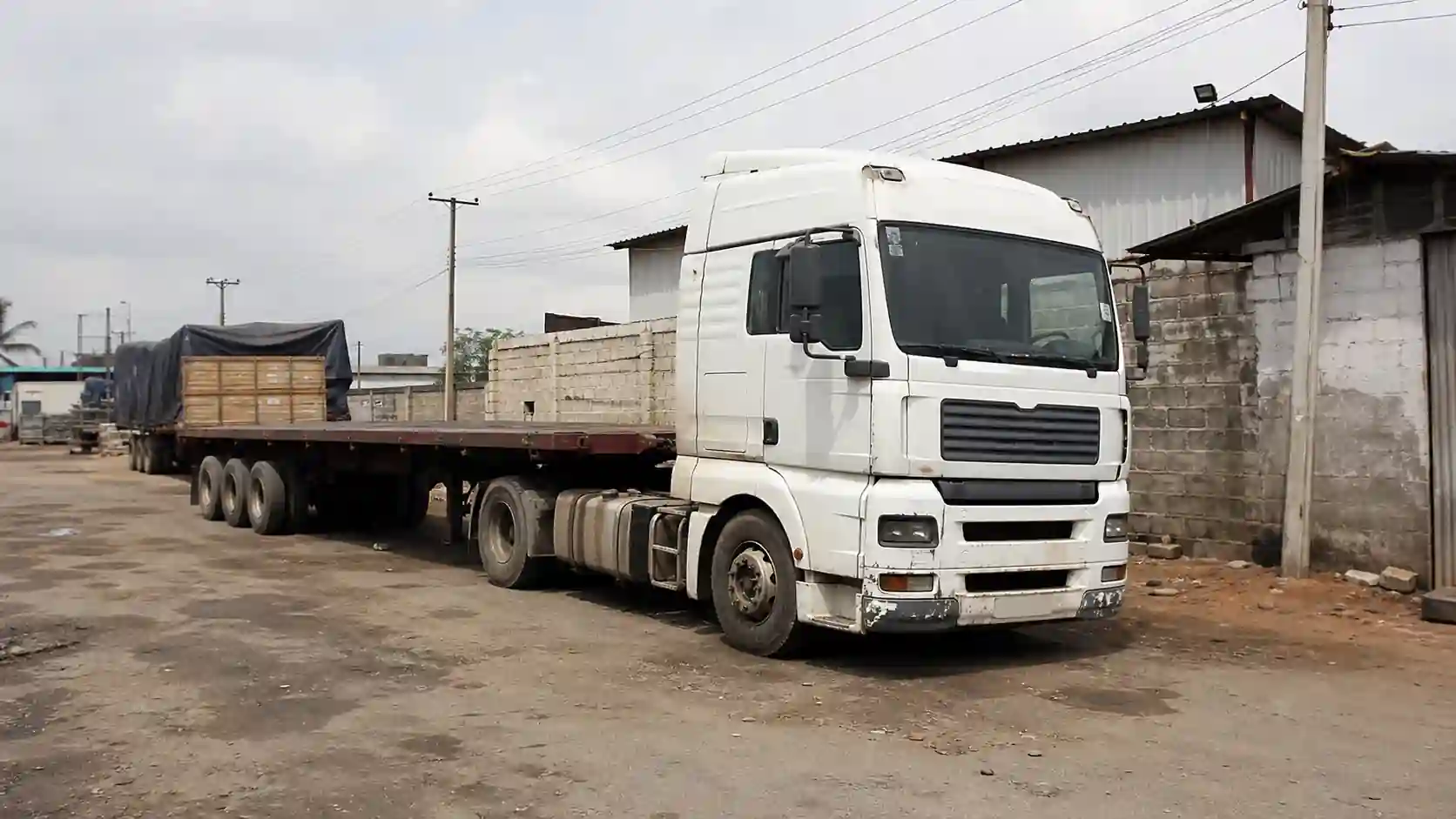
Quick Buyer Decisions
- Choose a flatbed when forklift, crane, or side loading is common; choose side wall when manual mixed cargo needs edge protection.
- Add rope hooks, stake pockets, removable side boards, a headboard, and tarpaulin if the trailer will carry bagged crops or fertilizer.
- Select tires for the worst rainy-season route, not only the dry-season highway.
- Budget straps, chains, edge protectors, corner guards, and spare lights before the first harvest job.
- Review lowbed or fuel tank options only when the same fleet also moves machinery, fuel, water, or liquid inputs.
Agricultural Cargo Defines the Trailer
Agricultural cargo defines the trailer because different loads need different support. Bagged grain needs protection from movement and weather. Fertilizer needs care against moisture. Farm equipment needs strong tie-down points. Timber needs stakes. Containers need twist locks or a flatbed structure suited to container handling.
| Cargo | Flatbed requirement | Buyer concern |
|---|---|---|
| Bagged grain | Rope hooks, side protection, tarpaulin | Cargo shift and rain |
| Fertilizer | Weather protection and clean deck | Moisture damage |
| Farm equipment | Strong tie-down points | Loading safety |
| Timber | Stake pockets and side restraint | Rolling cargo |
| Empty containers | Twist lock plan if needed | Frame and handling method |
| Irrigation pipe | Long deck and side posts | Overhang and tie-down |
The buyer should write down the top three cargo types before asking for the trailer price. A flatbed that is perfect for fertilizer may need extra stakes for timber. A trailer that carries machinery may need stronger lashing points than a trailer used mainly for bagged crops.
Flatbed vs Side Wall for Farm Transport
Flatbed trailers are better when the fleet needs open loading from forklift, crane, or side access. Side wall trailers are better when loose or mixed cargo needs edge protection. The existing article Side Wall Trailer vs Flatbed for Cargo in Africa explains the buyer comparison in detail.
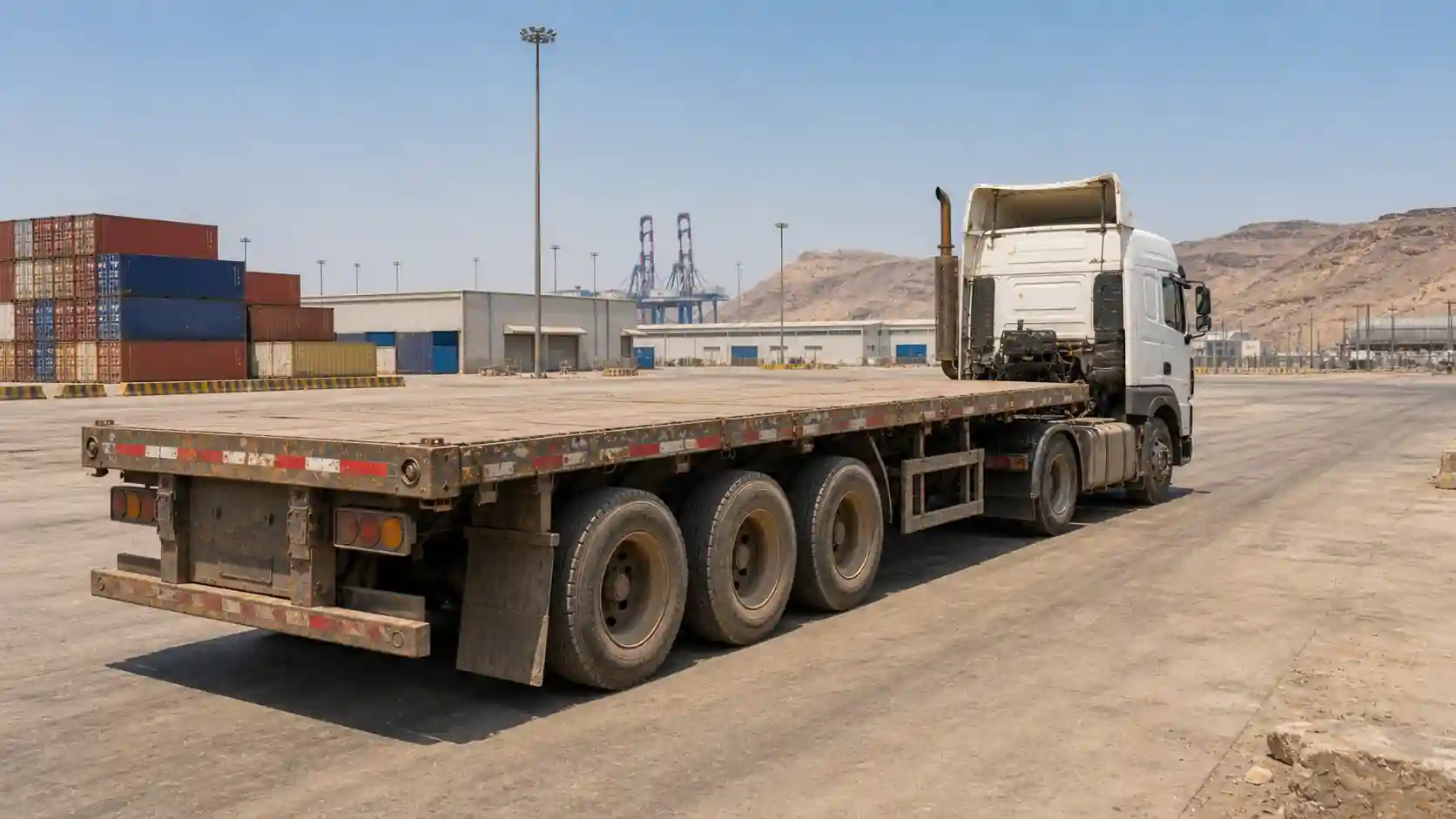
A buyer should choose a flatbed when:
- Cargo is palletized or bagged.
- Forklift or crane loading is common.
- Return loads are mixed.
- Side access is important.
- Oversized farm equipment may be moved.
A buyer should choose a side wall trailer when:
- Cargo is irregular and needs side containment.
- Manual loading is common.
- Routes are rough and cargo shift risk is high.
- The fleet carries mixed small loads more often than large palletized cargo.
Deck Length, Tie-Down, and Side Protection
Deck length should match cargo and road rules. A longer deck can carry more cargo types, but it may be harder to maneuver in rural roads, village collection points, and farm entrances. A shorter deck may be easier to operate but less flexible for return loads.
Important flatbed details:
| Detail | Why it matters |
|---|---|
| Rope hooks | Secures bagged cargo and tarpaulin |
| Stake pockets | Supports timber, pipe, and side posts |
| Removable side boards | Adds flexibility for mixed cargo |
| Headboard | Protects cargo and tractor side |
| Anti-slip deck surface | Improves loading safety |
| Twist lock option | Supports container work if needed |
| Tool box | Stores straps, chains, and small parts |
Cargo securement should be included in the purchase plan. Straps, chains, edge protectors, tarpaulin, and corner guards are small compared with trailer cost, but they protect the cargo and reduce claims.
Tire, Suspension, and Seasonal Road Planning
Agricultural routes change with the season. A road that is dry and fast in one month may become muddy and slow after rainfall. Tire selection should consider load, heat, puncture resistance, and local availability. Suspension should match repair access and road roughness.
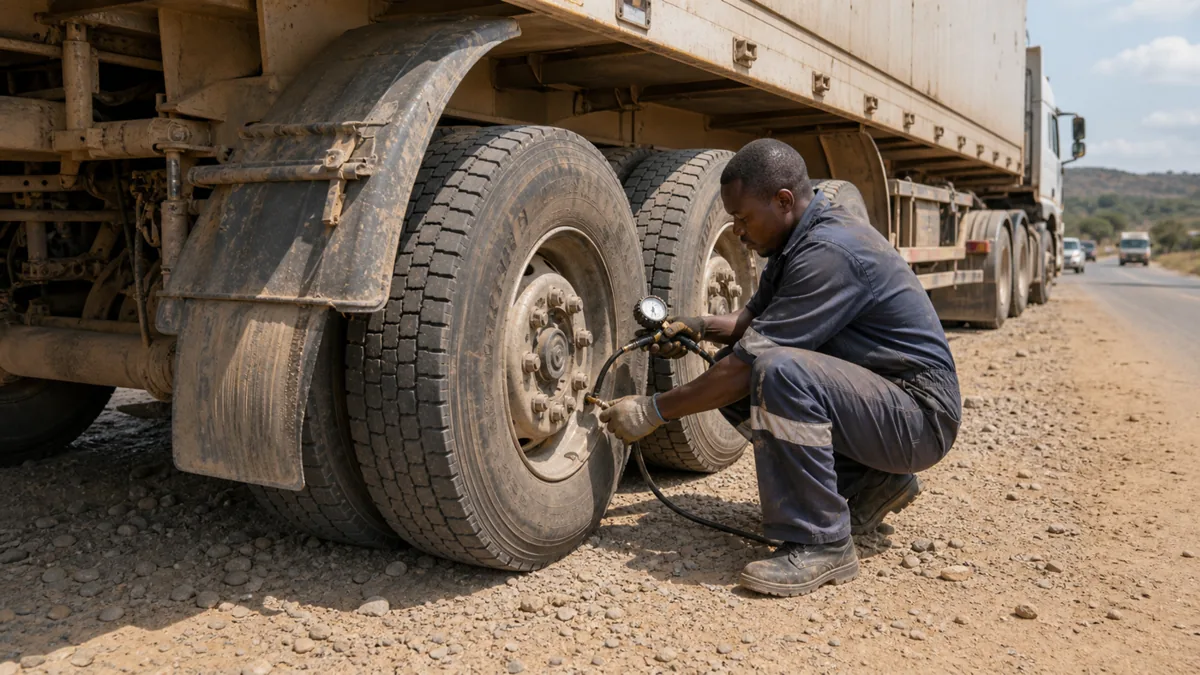
For many agricultural fleets, leaf spring suspension is attractive because it is robust and easier to repair. Air suspension may protect certain cargo, but it needs stronger maintenance support. Buyers can compare the trade-off in How to Choose Trailer Suspension for the African Market.
Axle load also matters. During harvest, fleets may overload because the demand is urgent. That creates tire failure, suspension fatigue, brake stress, and legal risk. The article Trailer Axle Load Capacity for African Roads is a useful internal reference for this issue.
Configuration Table by Crop and Route
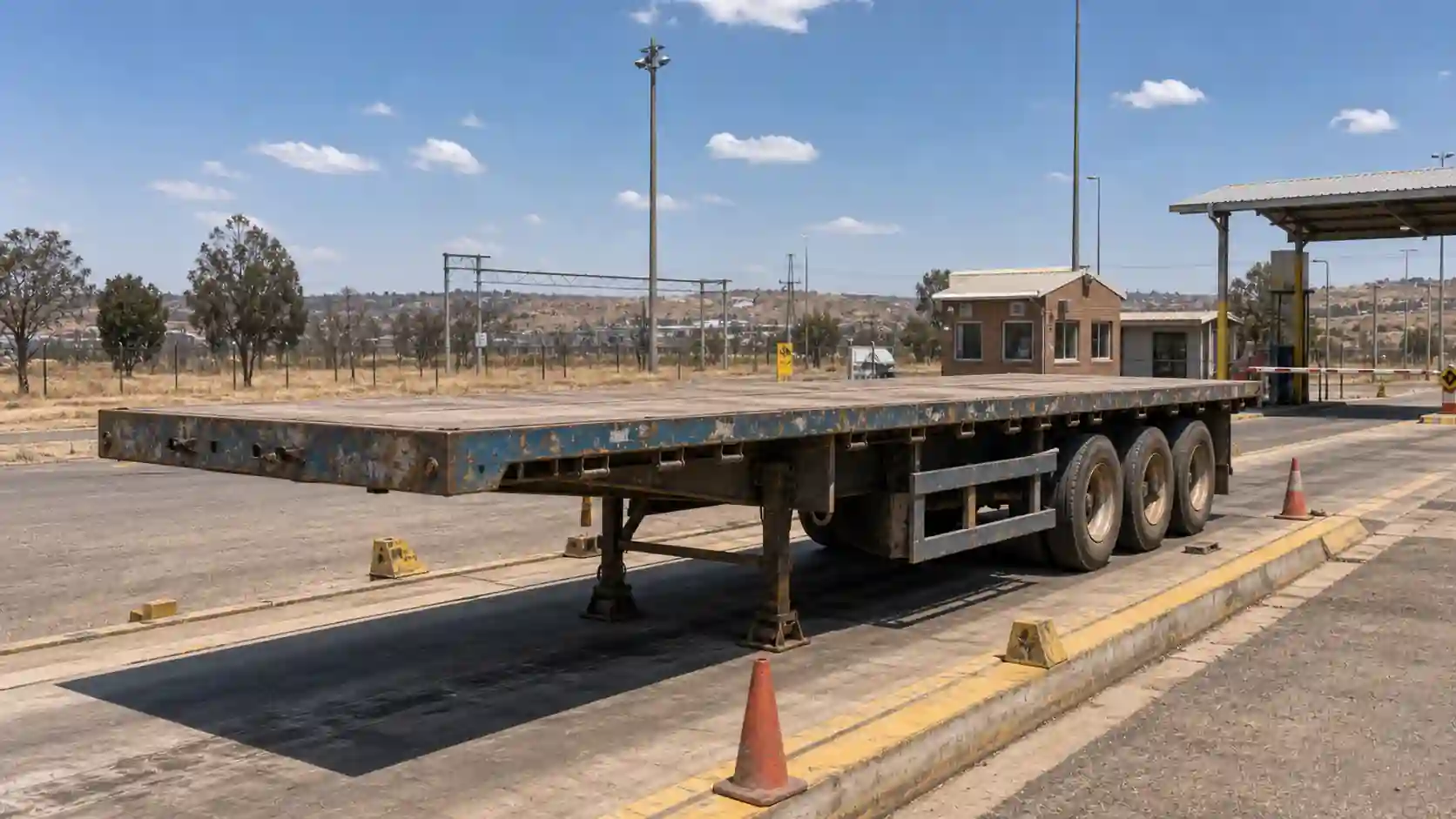
| Use case | Recommended feature | Reason |
|---|---|---|
| Bagged maize or rice | Rope hooks, tarpaulin, removable side boards | Protects cargo from shift and rain |
| Fertilizer transport | Clean deck, tarpaulin, side protection | Reduces moisture risk |
| Timber | Stake pockets and strong side posts | Prevents rolling cargo |
| Farm equipment | Heavy-duty deck and tie-down points | Handles concentrated load |
| Container movement | Twist lock option | Improves container safety |
| Rural collection route | Strong tires and leaf spring suspension | Handles uneven roads |
Return-Load Planning
Return-load planning can decide whether a flatbed trailer is profitable. A truck that delivers fertilizer to a farm region may return with bagged grain. A trailer that delivers equipment may return with construction materials. This is why a flatbed is often attractive: it can support several cargo types instead of only one.
However, return-load flexibility should not become unsafe loading. The driver still needs the right straps, cargo layout, axle distribution, and weather protection. A flexible trailer with poor loading discipline becomes a claims problem.
Frequently Asked Questions
Is a flatbed trailer good for agricultural transport in Africa?
Yes. A flatbed trailer is good for agricultural transport when cargo is bagged, palletized, containerized, or loaded by forklift or crane. It is especially useful when return loads vary.
Should farm cargo use a flatbed or side wall trailer?
Use a flatbed for open loading and mixed return cargo. Use a side wall trailer when cargo needs edge containment or when manual loading is common.
What tires should an agricultural flatbed trailer use?
Choose tires by load, road condition, heat, and local availability. Avoid rare tire sizes unless there is a reliable supply chain.
What accessories should be ordered with the trailer?
Common accessories include straps, chains, tarpaulin, rope hooks, stake pockets, side boards, tool box, spare tire plan, and light replacements.
Conclusion
A flatbed trailer for agricultural transport in Africa should be specified for the cargo season, not only for the catalog. Define the crop, loading method, road condition, side protection, cargo securement, tire plan, and return-load strategy before purchase. The right flatbed trailer gives the fleet flexibility without sacrificing safety or uptime.
References
1. World Bank, Agriculture, forestry, and fishing value added, accessed June 17, 2026 2. World Bank Logistics Performance Index, accessed June 17, 2026 3. UN Trade and Development, Review of Maritime Transport, accessed June 17, 2026