
Trailer Import to Angola via Luanda: Customs, Documents, and Buyer Checks
> Summary: For Angola, the safe trailer import plan starts with Portuguese-ready documents, Luanda port cost checks, AGT customs confirmation, and a trailer specification built for the route after clearance.
Best for: Angola transport firms, construction contractors, oilfield suppliers, dealers, and buyers importing trailers through Luanda.
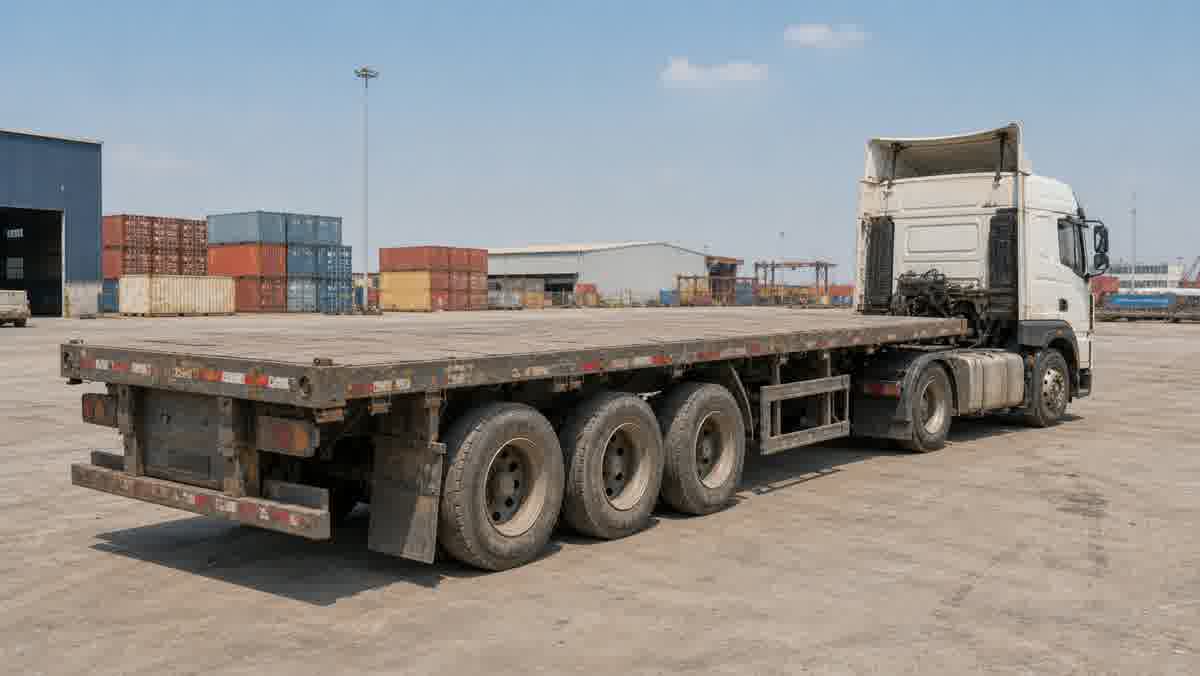
Quick Answer
For Angola, the safe trailer import plan starts with Portuguese-ready documents, Luanda port cost checks, AGT customs confirmation, and a trailer specification built for the route after clearance. The buyer should decide from documents, route, cargo, workshop capacity, and cash-flow impact together. To compare the body types mentioned here against real export specifications, review FrogAuto’s semi-trailer category for African buyers before asking for a final quote.
Fast buyer rule
– Do not approve a quote until the trailer type, chassis identity, dimensions, and shipping term are written down.
– Ask a local agent or operator to verify customs, road-use, and route constraints before shipment.
– Keep the final decision tied to the first profitable route, not only the lowest factory price.
Luanda Imports Need Document Discipline
Trailer import to Angola via Luanda should begin with documents that a local clearing agent can actually use. Angola’s tax authority AGT provides customs-service information through its official portal Angola AGT customs services, accessed 2026. For a buyer, the key is not to memorize every rule from abroad; it is to get the supplier, forwarder, and Angola agent aligned before shipment.
Ask for the commercial invoice, packing list, bill of lading, certificate of origin if needed, chassis number, trailer drawing, and technical specification. If your local agent wants Portuguese descriptions or specific wording, fix that before the vessel leaves China.
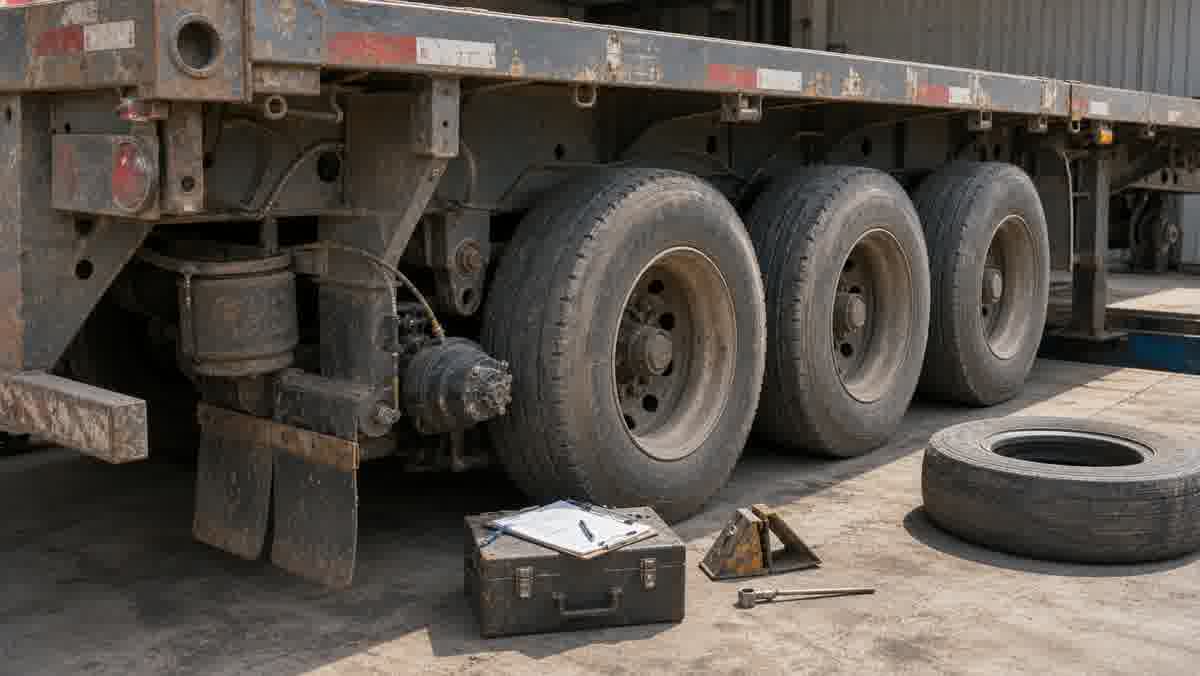
Do Not Let The Trailer Description Stay Generic
A customs file for a semi-trailer should identify the unit clearly. The WCO explains that HS nomenclature is the international basis for classifying traded goods World Customs Organization HS overview, accessed 2026. That does not remove local customs judgment, but it shows why ‘one trailer’ is not enough. Describe whether the unit is a flatbed, lowbed, side wall, tanker, tipper, or skeletal trailer.
The same description should appear across invoice, packing list, freight documents, and product photos. If the invoice says flatbed but the photos show side walls or ramps, the buyer invites questions during clearance.
If your next question is country-specific import clearance, compare this with FrogAuto’s Nigeria semi-trailer import guide and the semi-trailer category page for Africa-focused specifications.
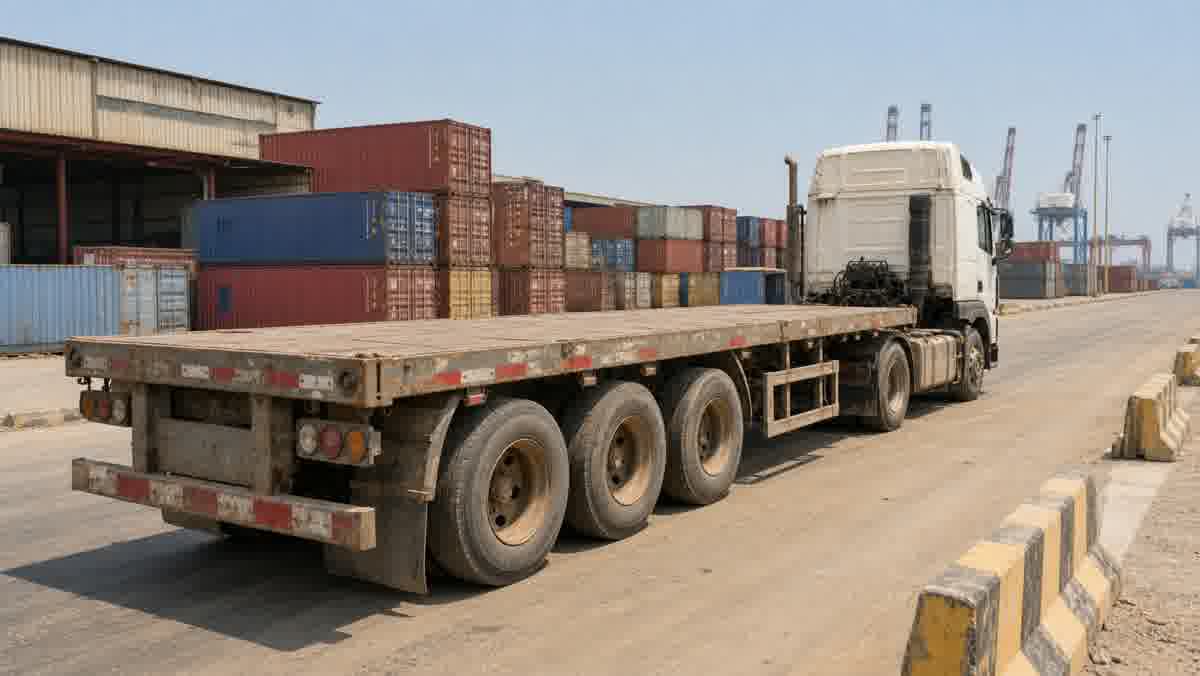
Buyer Decision Table
| Import risk | What to check | Who checks it | Best timing |
|---|---|---|---|
| Document language | Portuguese-ready description if required | Angola agent | Before deposit |
| HS description | Trailer type and chassis identity | Clearing agent | Before shipment |
| Port costs | Release, terminal, storage, inland move | Forwarder/agent | Before vessel arrival |
| Route fit | Ground clearance, tires, brakes, lighting | Fleet workshop | Before production |
Angola Route And Cargo Decide The Specification
Angola buyers often serve construction, fuel, mining, agricultural, and oilfield supply routes. Those jobs need different trailers. A lowbed for heavy equipment needs deck height, ramp strength, and ground clearance checks. A flatbed for general cargo needs deck thickness, lashing rings, headboard, and tire selection. A side wall trailer needs panel strength and repairable hinges.
If you are comparing quotes, ask the supplier to price the trailer together with first-year spare parts and route-specific options. A cheaper trailer with weak lights, light landing legs, or poor rust protection can lose its price advantage quickly in coastal and inland work.
Procurement Checklist
- [ ] Agent review: Let the Angola clearing agent review supplier documents before loading.
- [ ] Photo proof: Keep chassis plate, VIN/chassis number, axle, tires, and body photos.
- [ ] Port budget: Budget terminal, storage, document, and inland movement costs beyond ocean freight.
- [ ] Coastal corrosion: Specify paint, primer, wiring protection, and galvanized small parts where useful.
Questions To Ask The Supplier
- Can you put the exact trailer type, axle count, empty weight, dimensions, and chassis number on the invoice and packing list?
- Which parts are standard in Africa: brake lining, bearings, hub seals, suspension bushings, lights, tires, and air fittings?
- What shipping term is quoted, what is outside that term, and who receives the arrival notice?
- Can the drawing be checked by the buyer’s clearing agent or route operator before production?
Frequently Asked Questions
Can China ship semi-trailers to Luanda?
Yes. Buyers should confirm shipping method, documents, Angola customs process, and port cost before paying the final balance.
What documents are needed for Angola trailer import?
Expect invoice, packing list, bill of lading, technical specification, chassis identity, and any documents requested by the local clearing agent.
Should Angola buyers choose CIF or FOB?
CIF can be convenient when the supplier controls shipping. FOB is better when the buyer has a strong forwarder and wants freight transparency.
Bottom Line
The safest buying move is to turn this topic into a document check, route check, and supplier question list before paying the deposit. If your team already has the route, cargo, and destination country, send FrogAuto the details for a trailer quotation and import-ready specification pack.