
Direct answer: To import a trailer to Ivory Coast via Abidjan port, the buyer should prepare French-ready commercial documents, confirm the freight term, appoint a local clearance agent, match the trailer specification to cargo and road conditions, and inspect the trailer before inland delivery. The most common avoidable risk is inconsistent paperwork between the supplier, forwarder, bank, and customs process.
Abidjan is a major West African logistics gateway. The official Port Autonome d'Abidjan website lists container terminals, a RoRo terminal, fruit, grain, oil, wood, fish, and mineral-related services. For trailer buyers, that means the port ecosystem supports many cargo categories, but the buyer still needs a trailer-specific import checklist.
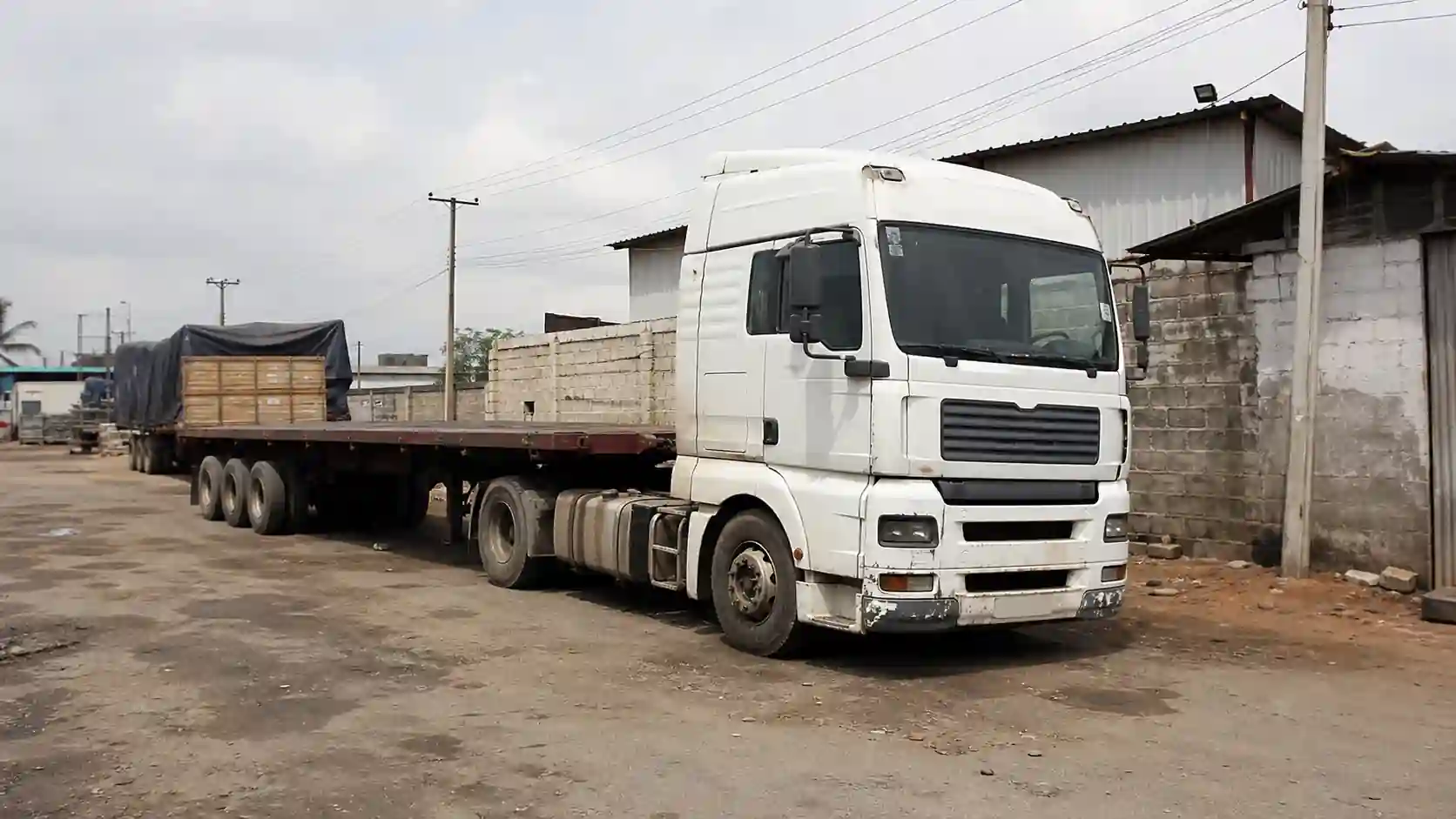
Quick Buyer Decisions
- Approve one French-ready product description and keep it unchanged across invoice, packing list, bill of lading, and specification sheet.
- Confirm whether Abidjan handling will be RoRo, breakbulk, flat rack, containerized parts, or another terminal method.
- Use CIF if the buyer has no forwarder; use FOB when the buyer already controls freight and wants more visibility.
- Choose the trailer by cargo flow: cocoa, cashew, containers, construction, fuel, machinery, or regional freight.
- Take arrival photos before the trailer leaves the port area or first buyer yard.
Abidjan Port as a French West Africa Gateway
Abidjan port is important because it connects Ivory Coast's import market with regional freight flows. For a trailer buyer, the port decision affects document language, agent selection, cargo release, and inland delivery. The Port Autonome d'Abidjan website shows multiple terminal services and port projects, including container and RoRo-related functions.
The buyer should ask the forwarder where the trailer will arrive and how it will be handled. A flatbed trailer, side wall trailer, lowbed trailer, or fuel tank trailer may not use the same handling path. If the buyer does not know the terminal and discharge method, it is hard to estimate local costs.
For general cargo decisions, Side Wall Trailer vs Flatbed for Cargo in Africa gives a practical buyer comparison. Heavy equipment importers should also review the Lowbed Semi-Trailer, while buyers planning fuel distribution can compare the Fuel Tank Semi Trailer.
French-Ready Document Control
French-ready document control means the buyer should keep names, addresses, cargo description, chassis number, quantity, and values consistent across documents. The documents can be in English if accepted by the parties, but French-speaking agents and authorities may need clear French equivalents for the product description.
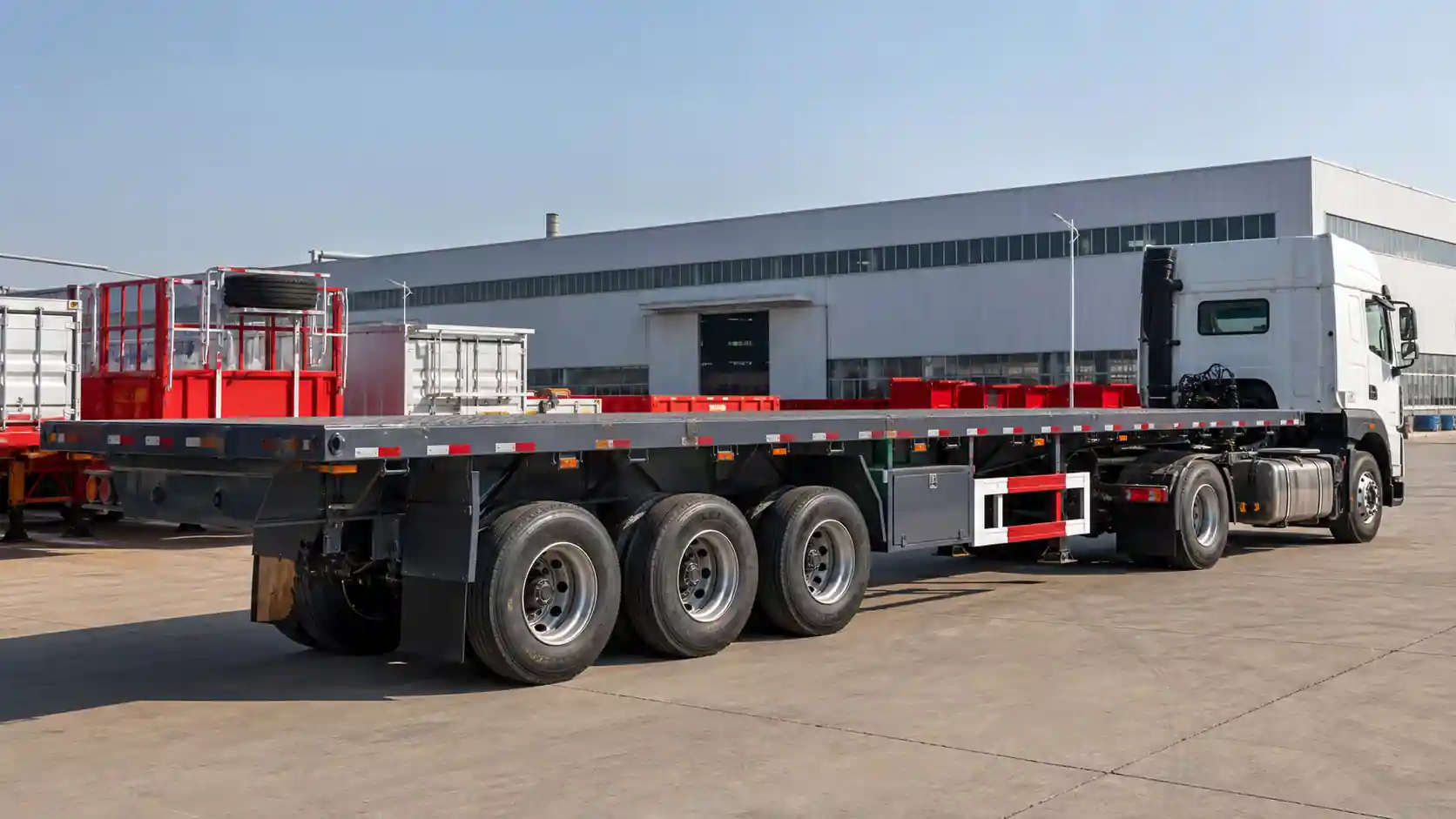
Recommended terms to clarify:
| English term | French-friendly explanation |
|---|---|
| Semi-trailer | Semi-remorque |
| Flatbed semi-trailer | Semi-remorque plateau |
| Side wall trailer | Semi-remorque a ridelles |
| Lowbed trailer | Porte-engins or semi-remorque surbaissee |
| Fuel tank semi-trailer | Semi-remorque citerne |
| Chassis number | Numero de chassis |
The buyer should not invent a new product name in each document. Use one approved description and repeat it across the invoice, packing list, bill of lading draft, and specification sheet.
Choosing the Trailer for Ivory Coast Cargo
Ivory Coast trailer buyers often evaluate cargo such as cocoa, cashew, construction materials, containers, fuel, equipment, timber, and regional freight. The right trailer depends on the cargo mix and road plan.
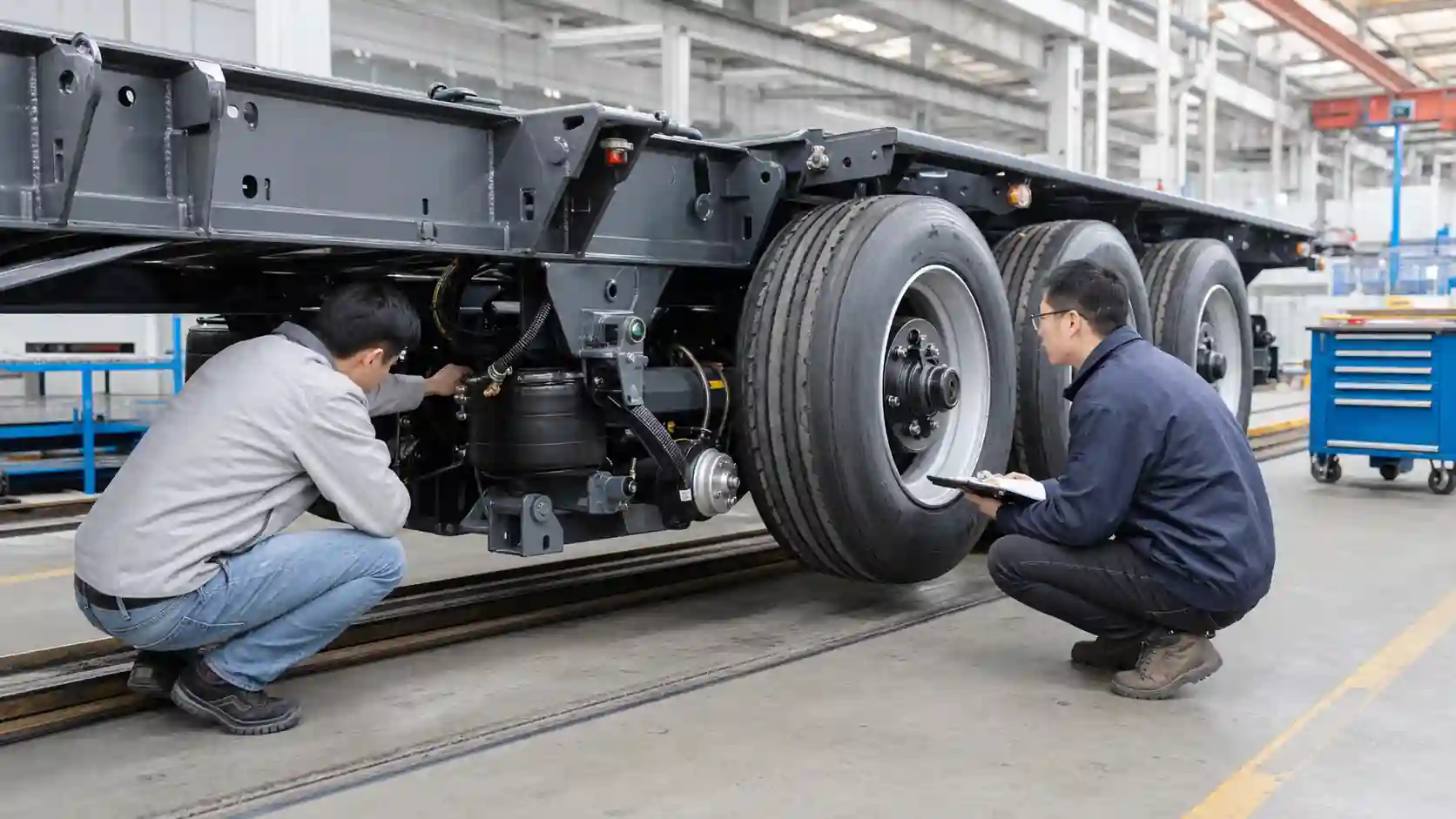
| Cargo plan | Trailer option | Specification priority |
|---|---|---|
| Bagged cocoa or cashew | Flatbed or side wall | Tarpaulin, side protection, tie-downs |
| Containers | Skeletal trailer or flatbed | Twist locks, frame strength |
| Construction material | Tipper, flatbed, side wall | Steel, tires, axle capacity |
| Heavy equipment | Lowbed trailer | Payload, ramp, deck height |
| Fuel distribution | Fuel tank semi-trailer | Safety fittings and compartments |
| Mixed regional freight | Flatbed or side wall | Flexibility and cargo securement |
If the buyer carries mixed cargo, the existing Side Wall Trailer vs Flatbed article is a useful comparison. If the buyer focuses on axle and road durability, Trailer Axle Load Capacity for African Roads gives more technical context.
CIF vs FOB for Abidjan Buyers
The freight term should be agreed before the deposit. ICC describes Incoterms as rules that clarify tasks, costs, and risks between seller and buyer. For Abidjan imports, CIF can be easier because the supplier arranges main freight to the port. FOB can be better when the buyer already has a forwarder and wants more visibility.
Buyers should avoid comparing a CIF quote with an FOB quote as if they are the same. CIF includes main freight and insurance to the named port, while FOB usually leaves main freight to the buyer. For more detail, read CIF vs FOB Trailer Shipping to Africa.
Abidjan Import Checklist
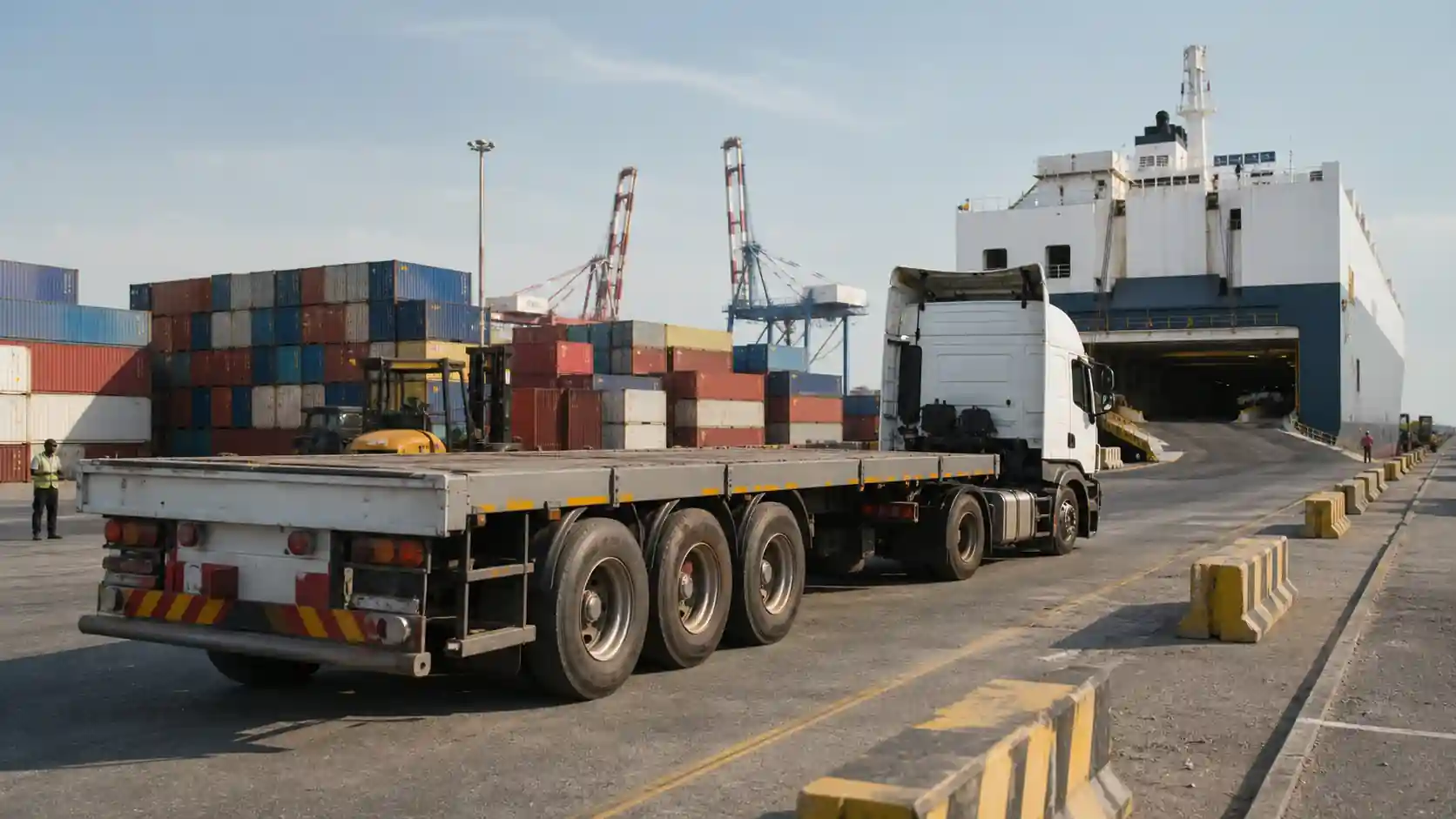
| Step | Buyer action |
|---|---|
| Specification | Confirm model, axle count, tire, suspension, brakes, body type |
| Contract | Confirm price, payment, freight term, delivery time |
| Documents | Check invoice, packing list, bill of lading draft, chassis number |
| Shipping | Confirm loading method and target port |
| Clearance | Appoint local agent early |
| Port release | Prepare payment and terminal plan |
| Inspection | Check physical trailer after arrival |
| Fleet entry | Register, service, and prepare spares |
Arrival Inspection
After arrival, inspect the trailer before heavy work starts. Check chassis number, paint damage, tires, lights, air lines, brake chambers, suspension, landing gear, tank fittings if applicable, and all accessories. Photos should be taken immediately.
If the buyer sees damage, the buyer should notify the forwarder, insurer, terminal contact, and supplier quickly. A delay in reporting can make the claim harder.
Frequently Asked Questions
Can trailers be imported through Abidjan port?
Yes. Abidjan port supports multiple cargo and terminal services, including container and RoRo-related functions. The buyer should confirm the exact handling plan with the carrier and local agent.
Should documents be in French?
The supplier may issue English documents, but French-ready product descriptions help local agents and buyers avoid confusion. Keep one product description consistent across all documents.
What trailer is best for cocoa or cashew transport?
A flatbed or side wall trailer can work. The final choice depends on loading method, weather protection, side containment, and return-load strategy.
What is the biggest import risk?
The biggest avoidable risk is document mismatch: buyer name, chassis number, model description, or freight term written differently across documents.
Conclusion
Importing a trailer to Ivory Coast via Abidjan port is smoother when the buyer controls language, documents, terminal handling, freight terms, and arrival inspection. A clear French-ready document set and a trailer specification matched to cargo can prevent avoidable delay. Good import execution starts before the trailer leaves China.
References
1. Port Autonome d'Abidjan, official website, accessed June 17, 2026 2. International Chamber of Commerce, Incoterms rules, accessed June 17, 2026 3. World Customs Organization, origin overview, accessed June 17, 2026 4. UN Trade and Development, Review of Maritime Transport, accessed June 17, 2026