
Direct answer: To import a trailer to Ethiopia from China, the buyer should plan the shipment through Djibouti, prepare import and shipping documents before departure, choose a trailer specification suitable for Ethiopian routes, and coordinate customs, transit, and inland delivery before the vessel arrives. The main risk is not only freight cost. The main risk is a weak link between port clearance, inland transit, and trailer configuration.
Ethiopia is landlocked, so the port and corridor plan is central to the purchase. The Port of Djibouti states that it has handled Ethiopia's maritime traffic since 1998 and that cargo moves between Djibouti and Addis Ababa by truck and rail. For Ethiopian trailer buyers, that makes Djibouti more than a port. It is the front door of the import route.
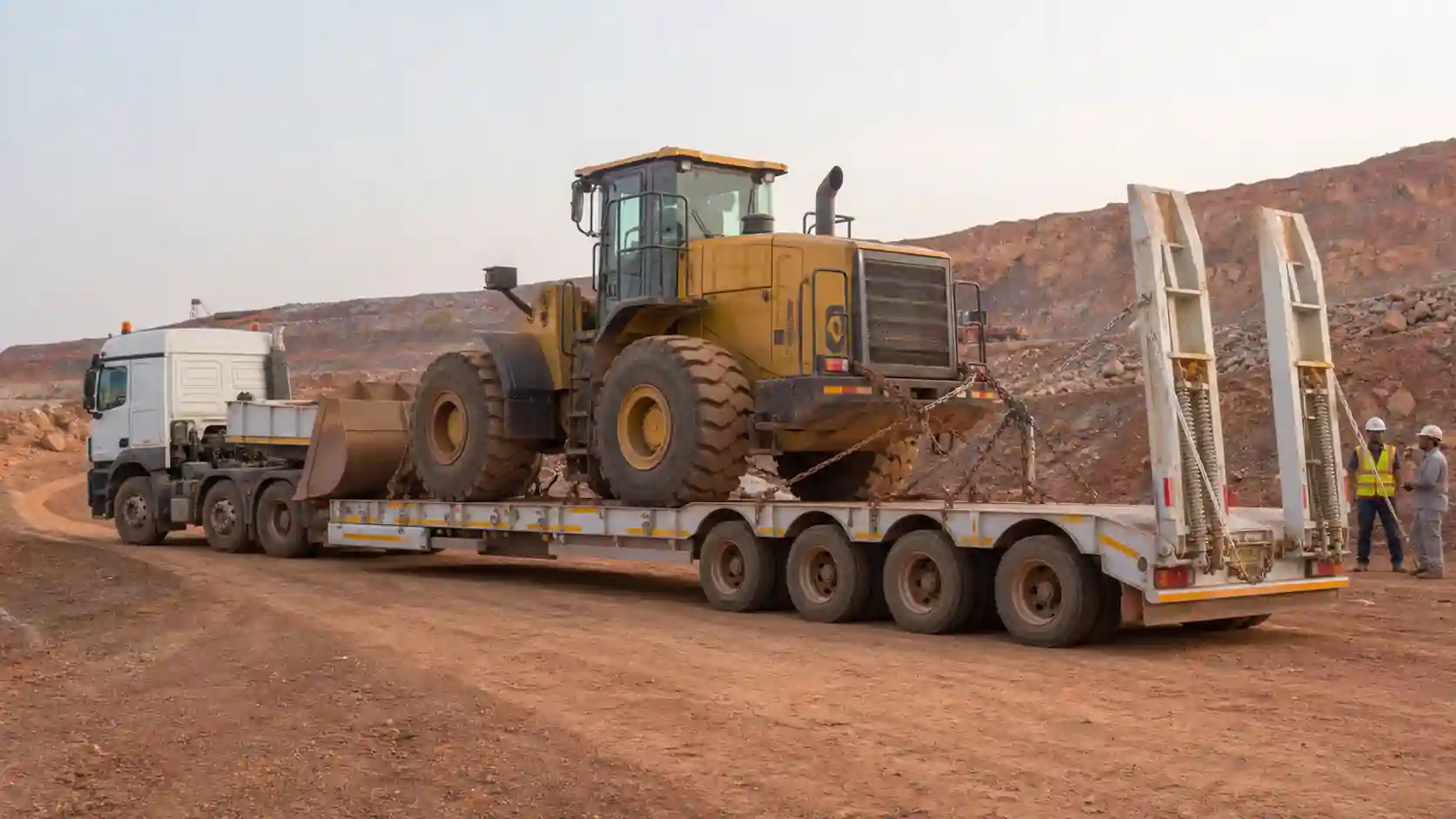
Quick Buyer Decisions
- Separate the quote into ocean freight to Djibouti and inland delivery to Ethiopia, because the two stages have different cost drivers.
- Choose the trailer around the first cargo contract: container, construction material, machinery, fuel, agriculture, or general freight.
- Check the bill of lading draft before release so the consignee, notify party, chassis number, and cargo description match the import plan.
- Use common tire, brake, light, and air-fitting parts if the trailer will work outside major service areas.
- Ship the first spare-parts kit with the trailer when the route includes long inland work.
Why Djibouti Is Central to Ethiopia Trailer Imports
Djibouti is central to Ethiopia trailer imports because Ethiopia does not have direct sea access. The Port of Djibouti describes its location at the southern entrance to the Red Sea and at the intersection of international shipping lines connecting Asia, Africa, and Europe. The same official port page states that Djibouti serves Ethiopia's maritime traffic, with goods moving onward by truck and rail.
For trailer buyers, this creates a two-stage import plan:
| Stage | Main task | Buyer decision |
|---|---|---|
| China to Djibouti | Ocean freight and export documents | Choose CIF, FOB, or another freight term |
| Djibouti to Ethiopia | Transit, customs, and inland delivery | Choose agent, route, and tractor plan |
The buyer should not approve production based only on the factory quote. A 3-axle flatbed trailer, lowbed trailer, or fuel tank trailer may need different handling and inland delivery arrangements. The trailer also needs to fit Ethiopian road conditions, cargo type, and maintenance capacity.
Documents to Prepare Before Shipment
The document package should be ready before the trailer leaves China. At minimum, prepare the commercial invoice, packing list, bill of lading draft, sales contract, trailer specification sheet, chassis number list, and product photos. If the buyer needs a certificate of origin or specific inspection document, confirm that requirement before the final balance payment.
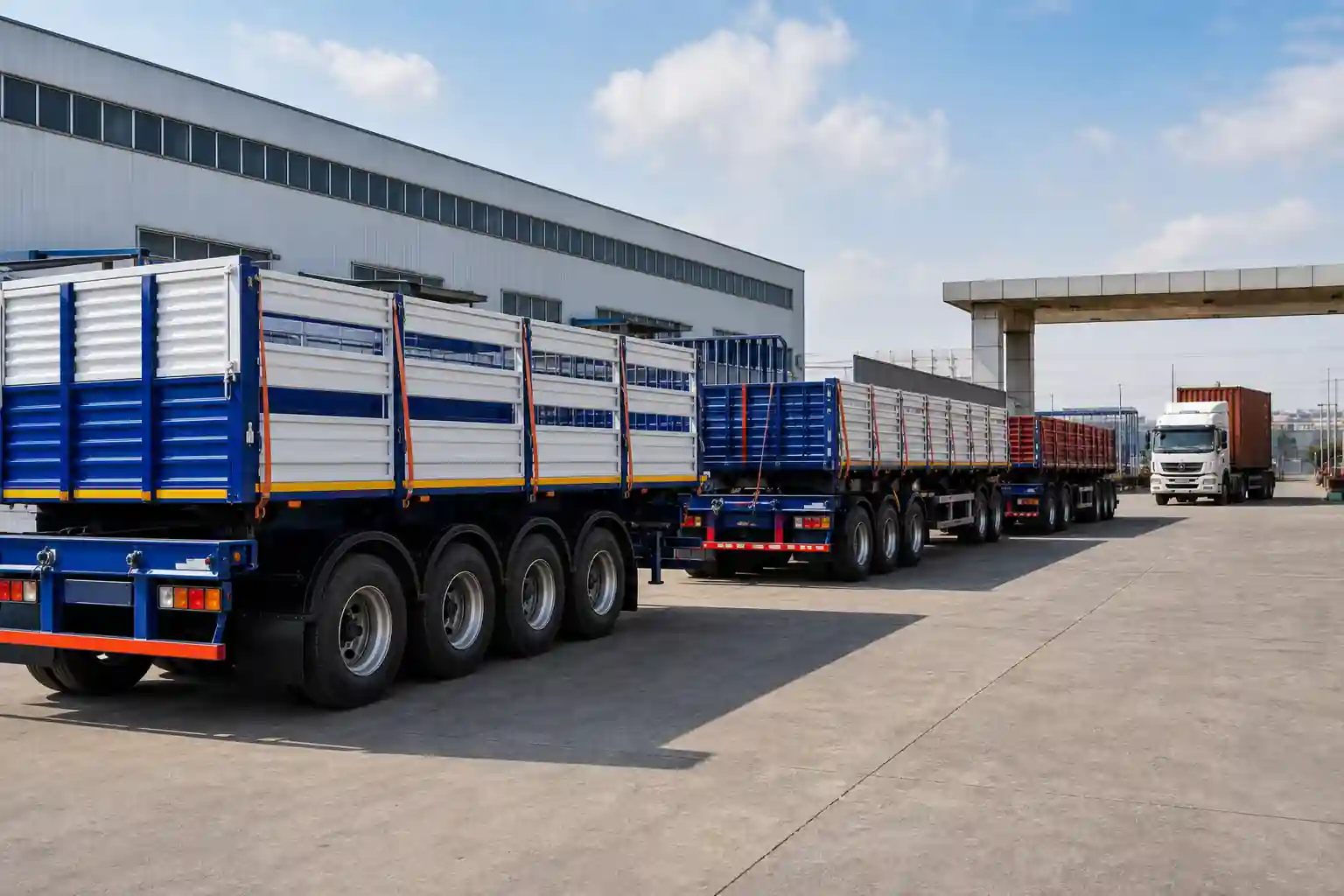
Document consistency is more important than document volume. The buyer name, trailer model, chassis number, gross weight, quantity, and shipping term should match across all documents. If a supplier writes "semi trailer" on one document and "truck trailer" on another, the buyer should ask for a corrected set before final originals are issued.
Recommended checklist:
- Commercial invoice with exact buyer and seller names.
- Packing list with trailer dimensions and weight.
- Bill of lading draft checked before release.
- Trailer specification sheet with axle, suspension, tire, brake, and body details.
- Chassis number photos.
- Pre-shipment condition photos.
- Freight insurance evidence if the seller arranges CIF.
- Agent contact details for Djibouti and Ethiopia-side coordination.
Choosing the Right Trailer Type for Ethiopian Routes
The right trailer type depends on cargo and route, not only on price. Ethiopian buyers may use trailers for construction materials, container transport, agricultural cargo, fuel distribution, machinery movement, and general freight. A buyer moving heavy equipment needs a very different trailer from a buyer moving bagged goods.
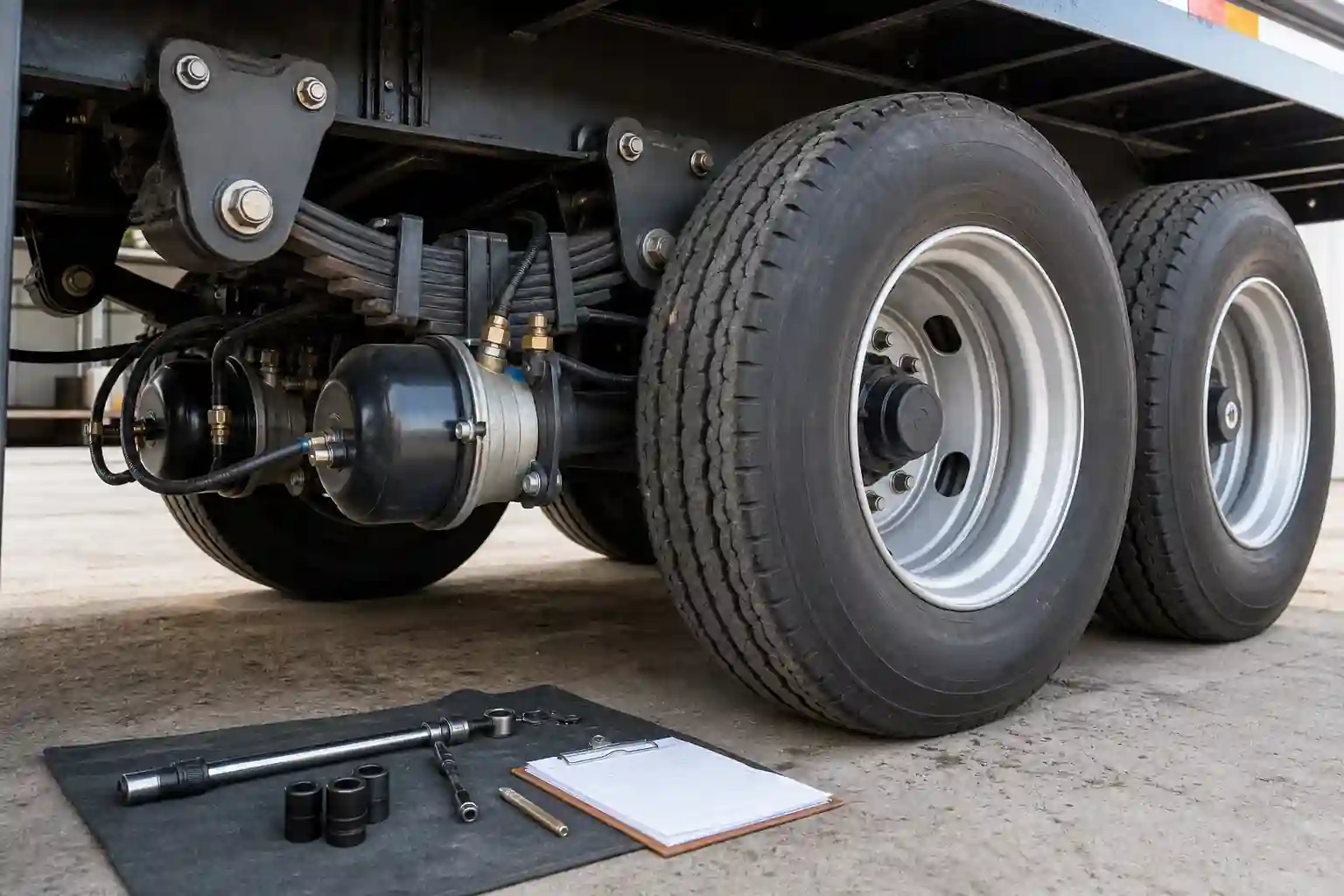
The existing FrogAutoTech guide on trailer axle load capacity for African roads is useful here because the corridor includes long inland movement after port discharge. The guide on choosing trailer suspension for the African market is also relevant because repair access matters outside major cities.
| Cargo use | Trailer type to evaluate | Specification focus |
|---|---|---|
| Containers | Skeletal trailer or flatbed | Twist locks, frame strength, axle layout |
| Construction materials | Flatbed, side wall, or tipper | Deck, side protection, steel thickness |
| Heavy machines | Lowbed trailer | Payload, ramp, deck height, axle count |
| Fuel transport | Fuel tank semi-trailer | Tank material, compartments, valves, safety fittings |
| Agricultural cargo | Flatbed or side wall | Loading method, rope hooks, side boards |
The product choice should stay tied to the route and cargo, not to a generic "semi-trailer" label.
Cost and Timeline Checkpoints
An Ethiopia trailer import budget should include factory price, China inland transport, ocean freight, marine insurance, Djibouti port and terminal charges, customs and transit-related costs, inland haulage, and spare parts. The buyer should ask for a landed-cost estimate before placing the order.
The timeline should be planned as a chain:
| Step | What can delay it | How to reduce risk |
|---|---|---|
| Production | Late component choice | Confirm final spec early |
| China loading | Missing loading plan | Approve dimensions and lashing needs |
| Ocean freight | Vessel schedule change | Keep forwarder in the communication loop |
| Djibouti arrival | Document mismatch | Check bill of lading draft before release |
| Transit to Ethiopia | Border or route issue | Use experienced corridor agent |
| Fleet entry | No spare parts | Ship critical spares with the trailer |
Maintenance and Spare Parts Planning
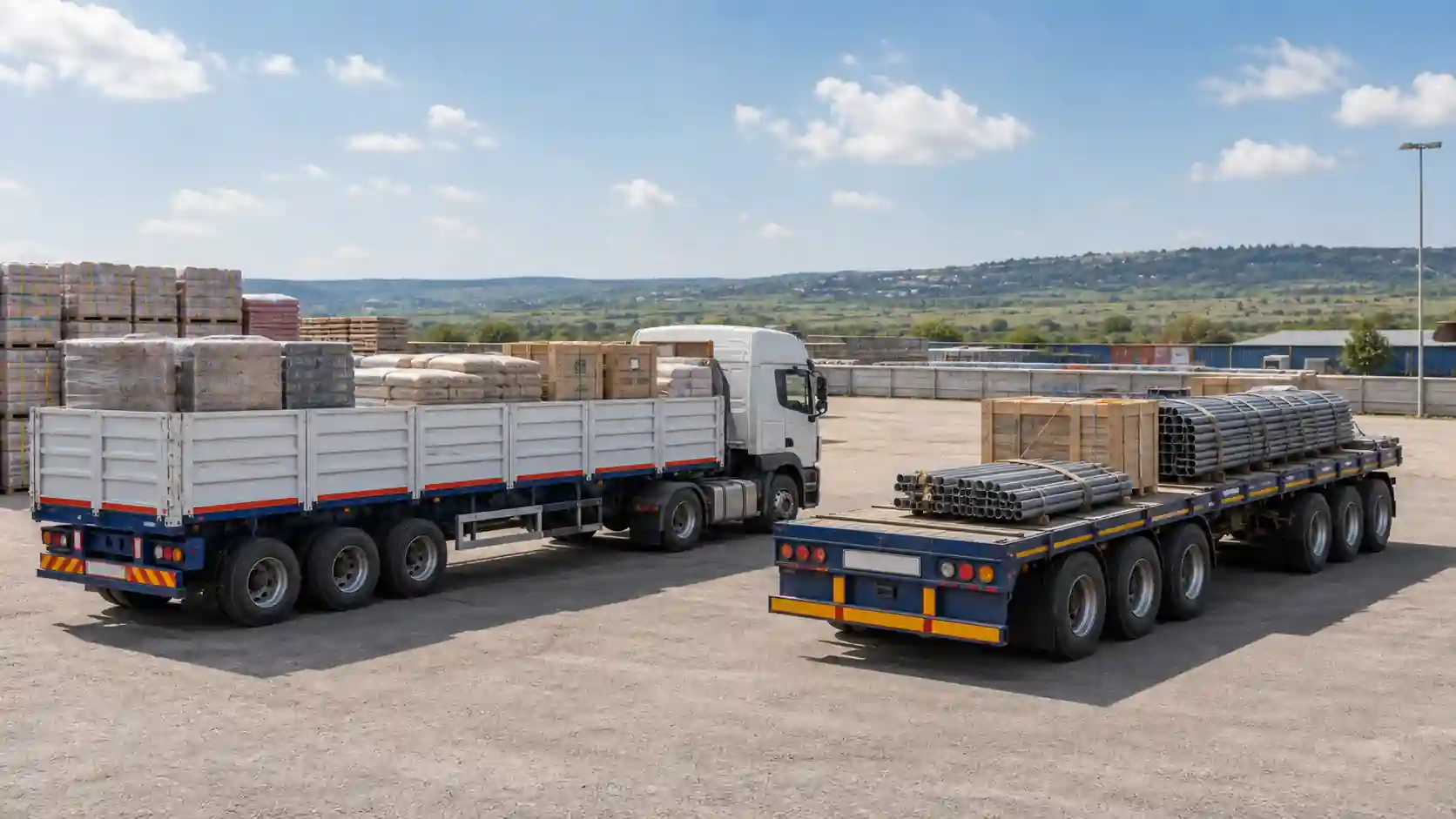
Maintenance planning should happen before shipment. A buyer importing a single trailer should not wait until the first breakdown to search for brake chambers, air fittings, lights, leaf springs, landing gear parts, or tires. If the trailer is built with uncommon components, the first month of operation can become expensive.
For Ethiopian inland routes, a practical spare-parts starter kit may include:
- Brake chamber and air hose fittings.
- Light units and electrical connectors.
- Wheel studs and nuts.
- Grease, seals, and bearings.
- One spare tire and rim plan.
- Landing gear handle and service parts.
- Suspension bushings or spring parts depending on specification.
This is also where the buyer should decide whether a lower purchase price is worth a higher maintenance burden. For many African corridor fleets, a slightly stronger specification can be cheaper over a full operating year.
Freight Term Decision: CIF or FOB
The freight term should match the buyer's control level. ICC explains that Incoterms help define the tasks, costs, and risks between seller and buyer. A first-time Ethiopian importer may prefer CIF Djibouti if the supplier has reliable shipping experience. A buyer with a trusted forwarder may prefer FOB China port for better control over freight and route.
For a deeper explanation, see FrogAutoTech's CIF vs FOB Trailer Shipping to Africa.
Frequently Asked Questions
Can Ethiopia buyers import trailers directly from China?
Yes. Ethiopia buyers can purchase trailers from China, but the shipment normally enters through a seaport such as Djibouti and then moves inland by truck or rail corridor planning.
Which trailer type is best for Ethiopia?
There is no single best trailer type. Flatbed trailers are flexible for general cargo, lowbed trailers suit heavy machines, tipper trailers suit construction materials, and tank trailers suit liquid cargo.
Should the buyer choose CIF Djibouti or FOB China?
CIF is simpler for new buyers because the supplier arranges main freight. FOB gives more control to buyers who already have a trusted forwarder.
What should be checked before final payment?
Check final drawings, chassis number, photos, axle and suspension specification, tire model, brake system, document names, and freight term.
Conclusion
Importing a trailer to Ethiopia from China is a corridor project. The buyer should plan the Djibouti port stage, Ethiopia inland stage, and fleet-entry stage together. A good purchase is not only the lowest trailer price. It is the trailer that arrives with clean documents, fits the route, can be maintained locally, and begins work without avoidable delay.
References
1. Port of Djibouti, official overview, accessed June 17, 2026 2. International Chamber of Commerce, Incoterms rules, accessed June 17, 2026 3. UN Trade and Development, Review of Maritime Transport, accessed June 17, 2026 4. World Bank Logistics Performance Index, accessed June 17, 2026